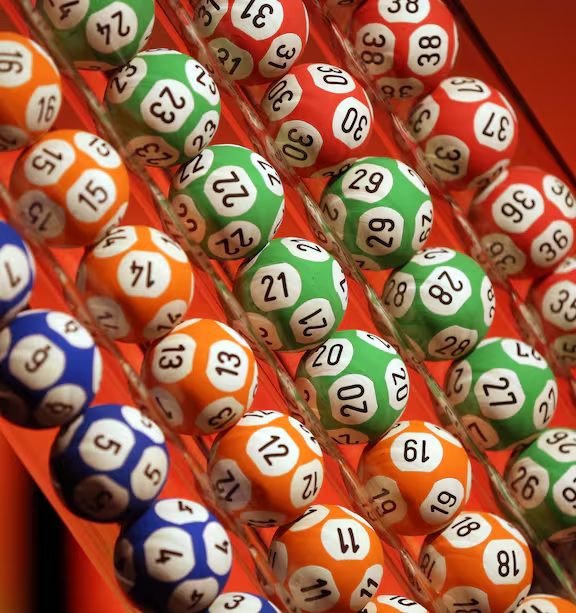

Hāpai Te Hauora is calling for greater scrutiny of changes to Lotto NZ’s Powerball game, warning that bigger jackpots, longer odds and more frequent small wins could influence gambling behaviour and increase the risk of harm across Aotearoa.
The Māori public health organisation says changes to one of New Zealand’s most recognisable gambling products should be considered through a public health lens, particularly when many whānau are already facing significant cost-of-living pressures.
At the centre of Hāpai’s concern is the potential combination of larger headline jackpots, reduced chances of winning the major prize and more frequent smaller wins.
While those changes may alter the experience of playing Powerball, Hāpai says attention also needs to be paid to how they could affect the frequency and intensity of gambling.
BIGGER JACKPOTS CAN DRIVE BIGGER DREAMS
Large Powerball jackpots generate enormous public attention.
As prize pools climb, Lotto becomes increasingly prominent across advertising, news coverage, retail outlets and conversations between friends, colleagues and whānau.
For people experiencing financial pressure, the prospect of a life-changing win can become particularly powerful.
Hāpai’s intervention raises an important question about whether increasingly large jackpots encourage people to spend more, play more frequently or continue gambling despite increasingly difficult odds.
That matters when household budgets are already being stretched by housing, food, electricity, transport and other essential costs.
SMALL WINS CAN KEEP PEOPLE PLAYING
Hāpai is also drawing attention to the behavioural impact of more frequent smaller prizes.
A small win may appear positive for players, but from a gambling-harm perspective the important question is what happens next.
If frequent small wins encourage players to reinvest winnings into more tickets, continue playing for longer or perceive themselves as being closer to a major win, the structure of the game itself could influence gambling behaviour.
That means assessing Powerball should involve more than looking at how many people win prizes.
Public health experts also need to understand how the design of the game affects participation, spending and repeated play.
LONGER ODDS, GREATER EXPECTATIONS
The relationship between bigger jackpots and longer odds also deserves greater public understanding.
A larger advertised prize does not necessarily mean an individual player has a better opportunity to win it.
Hāpai’s concern highlights the importance of ensuring consumers understand what changes to the game mean for their actual chances of winning.
That includes whether advertising and promotional material gives appropriate prominence to the odds and gambling-harm information alongside the excitement generated by multimillion-dollar jackpots.
A MĀORI PUBLIC HEALTH ISSUE
Gambling harm is not experienced evenly across society.
For Māori public health organisations such as Hāpai Te Hauora, the issue extends beyond individual choices and into the wider environments that shape gambling behaviour.
The consequences of harmful gambling can reach beyond the person buying the ticket.
Financial stress can affect partners, tamariki and wider whānau, with gambling losses potentially competing against household spending on food, rent, power and other necessities.
That makes the design and promotion of gambling products a broader hauora issue.
COST OF LIVING CHANGES THE CONTEXT
The timing of the Powerball changes is also significant.
Across Aotearoa, households are dealing with continuing financial uncertainty and pressure on disposable incomes.
For someone struggling financially, a massive jackpot can represent something much more emotionally powerful than entertainment.
It can represent an imagined escape from debt, rent, mortgages and financial insecurity.
That is why Hāpai wants greater scrutiny of whether changes designed to make Powerball more attractive could have unintended consequences for people already vulnerable to gambling harm.
THE QUESTION IS NOT JUST WHO WINS
Lotto NZ occupies an unusual place in New Zealand society because gambling proceeds also contribute funding to community organisations and causes.
But the existence of community benefits does not remove the need to scrutinise the way gambling products are designed and marketed.
Hāpai’s challenge is therefore about balancing those benefits against the potential social and health costs associated with harmful gambling.
As Powerball evolves, the organisation wants regulators, decision-makers and the public to look beyond the size of the jackpot.
The bigger question is what happens to gambling behaviour when the dream becomes larger, the odds become longer and smaller rewards encourage people to keep coming back.
For Hāpai Te Hauora, that is where the real public health conversation needs to begin.
#HapaiTeHauora #LottoNZ #Powerball #GamblingHarm #ProblemGambling #Hauora #MaoriHealth #Whanau #PublicHealth #CostOfLiving #Gambling #SaferGambling #ConsumerProtection #HealthEquity #WhanauOra #TeAoMaori #Aotearoa #MaoriNews #WaateaNews #RadioWaatea