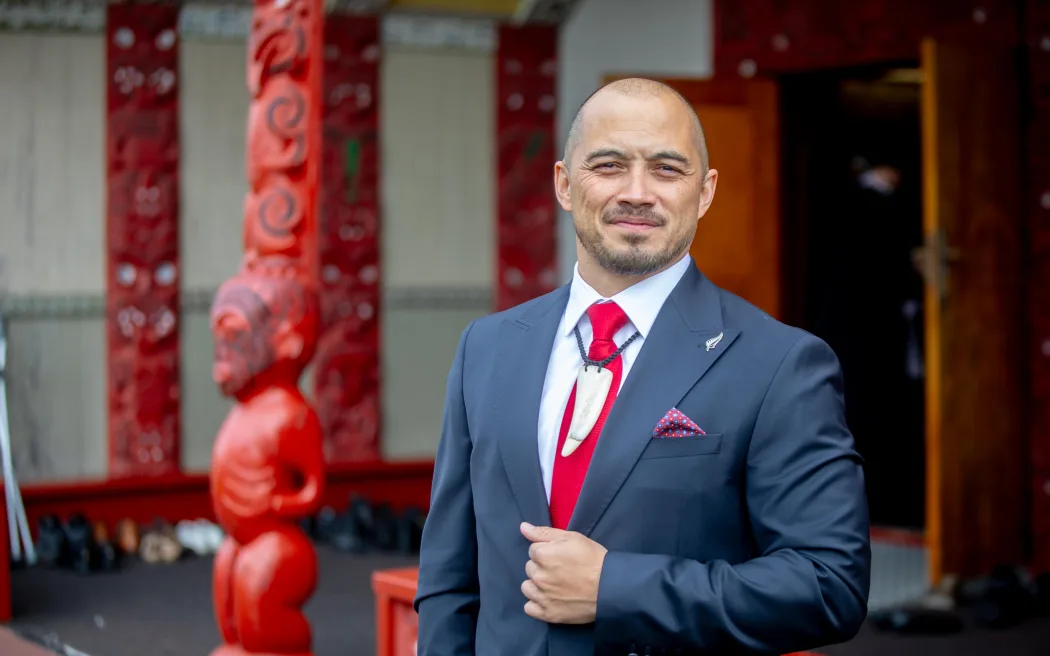
Green Party co-leader Marama Davidson says a series of recent government decisions risk widening inequality and weakening outcomes for Māori communities, as debate intensifies over Treaty protections, rising living costs and access to education.
Davidson has continued to speak out against the Government’s policy direction, warning that Māori are likely to be disproportionately impacted by changes affecting constitutional rights, household affordability and opportunities for rangatahi.
One of the key flashpoints remains the proposed Treaty Principles Bill, which critics argue could significantly alter how Te Tiriti o Waitangi is interpreted in law and public policy.
Davidson says any move to narrow or redefine Treaty principles risks undermining Māori rights and weakening Crown obligations that have developed through decades of legal decisions, Tribunal findings and constitutional practice.
She argues the changes could have far-reaching implications across areas such as health, housing, resource management and social services, where Treaty-based approaches have increasingly shaped government responsibilities toward Māori communities.
At the same time, Davidson says rising electricity prices are placing additional pressure on whānau already struggling with the cost of living crisis.
The Greens are calling for power companies to cap price increases at the rate of inflation, saying urgent intervention is needed as energy hardship continues to grow.
Davidson says Māori households are disproportionately affected because many are already dealing with lower incomes, overcrowded housing and higher levels of financial stress. She says power insecurity can directly affect health, wellbeing and educational outcomes, particularly for tamariki living in cold or under-heated homes.
Under the Green Party proposal, Davidson says limiting electricity price increases could provide immediate relief for vulnerable households while forcing greater accountability from the energy sector.
Davidson has also criticised the Government’s decision to scrap fees-free tertiary education, warning it could create new barriers for Māori students seeking higher education and training opportunities.
She says removing financial support risks discouraging rangatahi Māori from entering tertiary study at a time when improving education participation remains critical to lifting long-term employment, income and wellbeing outcomes.
Davidson argues there is a common thread running through current government policy decisions — one she says places economic restraint ahead of equity and disproportionately affects Māori communities already experiencing entrenched disadvantage.
She says urgent change is needed to ensure policies are grounded in fairness, Te Tiriti obligations and long-term investment in people, rather than short-term cost-cutting measures.
The Government has defended its approach, saying its policies are designed to benefit all New Zealanders equally while improving efficiency and reducing public spending pressures.
However, Davidson says Māori communities are increasingly feeling the impact of decisions that risk widening social and economic gaps across Aotearoa.