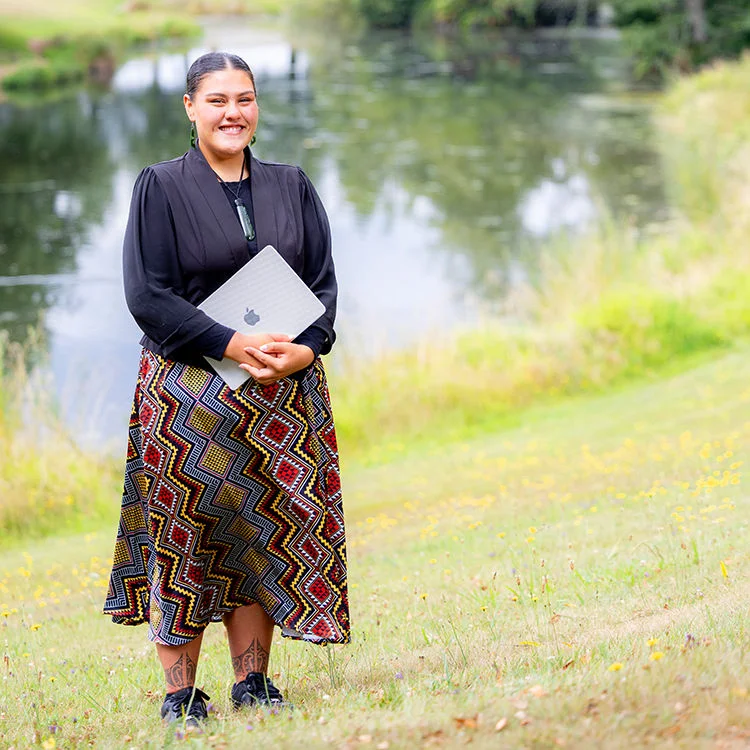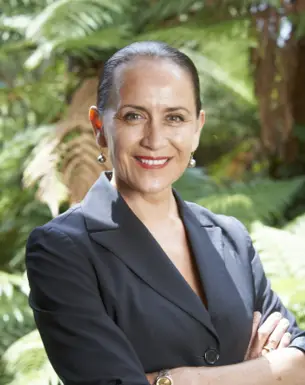

As Aotearoa heads towards the November 7 general election, former senior Labour Minister Nanaia Mahuta is joining Radio Waatea for a wide-ranging conversation about Māori aspirations, political accountability and whether successive governments have delivered meaningful progress for whānau.
Few politicians have experienced as many of the defining debates in contemporary Māori politics as Nanaia Mahuta.
From her years in Parliament to becoming Aotearoa’s first wahine Māori Foreign Minister, Mahuta has been involved in major discussions about Te Tiriti o Waitangi, Māori development, public services and the relationship between Māori and the Crown.
Now, with another general election approaching, many of the issues that have shaped Māori politics for decades remain central to the national conversation.
Housing affordability, health inequities, the cost of living, pay equity and the future of Te Tiriti continue to raise fundamental questions about the wellbeing and prosperity of Māori communities.
But beyond election promises and political debate lies a more challenging question: are Māori whānau genuinely better off, or are communities still confronting many of the same barriers that existed a generation ago?
Decades in Politics, But How Much Has Changed?
Mahuta’s parliamentary career spanned nearly three decades, giving her a perspective on the changing political landscape and the policies pursued by successive governments.
During that period, Māori representation, Treaty settlements, economic development and public sector reform remained prominent issues.
Progress has been made in some areas, including the growth of Māori enterprise and greater recognition of Māori interests within public institutions.
However, significant disparities remain in areas such as housing, health outcomes and household economic security.
For many whānau, the measure of political progress is not simply the introduction of new policies or institutions, but whether those changes improve everyday living conditions.
That raises questions about how governments measure success, how communities hold political leaders accountable and whether long-term approaches are needed to address entrenched inequalities.
Te Tiriti and the Future of Māori–Crown Relations
Te Tiriti o Waitangi remains central to political debate ahead of the election.
Disagreements over the role of Treaty principles, Māori representation and the responsibilities of the Crown have highlighted competing views about the country’s constitutional and political direction.
For Māori communities, these debates involve questions about rangatiratanga, participation in decision-making and the protection of rights and interests.
Mahuta’s experience in government provides an opportunity to reflect on how Māori–Crown relations have evolved, what has worked and where further progress may be required.
The discussion also considers how Aotearoa can navigate these issues while maintaining constructive relationships between communities.
Health, Housing and the Cost of Living
Beyond constitutional debates, immediate economic and social pressures continue to shape the lives of Māori whānau.
Housing affordability and access to secure accommodation remain significant concerns, alongside the cost of groceries, electricity and other household essentials.
Health inequities also continue to prompt questions about access to care, the effectiveness of services and the importance of approaches that respond to Māori needs.
Meanwhile, debates over pay equity and employment conditions raise broader questions about income security, fairness and opportunities for workers and families.
For political leaders, the challenge is connecting national policy decisions with practical improvements in household wellbeing.
Mahuta’s conversation with Radio Waatea will explore what more needs to be done to address these pressures and how political parties should be judged on their commitments.
Beyond Election Promises
With voters preparing to head to the polls, political parties are presenting competing approaches to economic management, public services and Māori development.
But for communities experiencing persistent disadvantage, the question is not simply which policies are announced during an election campaign.
It is whether those policies can be implemented effectively and produce lasting improvements.
Mahuta’s long experience in public life offers an opportunity to examine the lessons of previous governments, the challenges of delivering change and the responsibilities of future political leaders.
The conversation also looks beyond party politics to the role of iwi, hapū, Māori businesses and community organisations in shaping economic and social outcomes.
What Will It Take to Build a Better Future?
As Election 2026 approaches, the future of Māori wellbeing remains closely connected to wider questions about the country’s economic direction, social cohesion and political priorities.
For Māori communities, the aspirations are familiar: healthy whānau, secure homes, meaningful employment, quality education, strong cultural identity and opportunities for future generations.
The challenge is determining how those aspirations can be translated into measurable and lasting progress.
Nanaia Mahuta joins Radio Waatea’s Matthew Tukaki to reflect on her political career, the continuing challenges facing Māori and what it will take to secure a stronger future for Māori and all New Zealanders.
#NanaiaMahuta #Election2026 #MāoriPolitics #TeTiritiOWaitangi #MāoriLeadership #WhānauOra #MāoriHealth #HousingCrisis #CostOfLiving #PayEquity #MāoriEconomy #Rangatiratanga #MāoriDevelopment #PoliticalAccountability #LabourNZ #MāoriRepresentation #Aotearoa #MatthewTukaki #RadioWaatea #WaateaNews