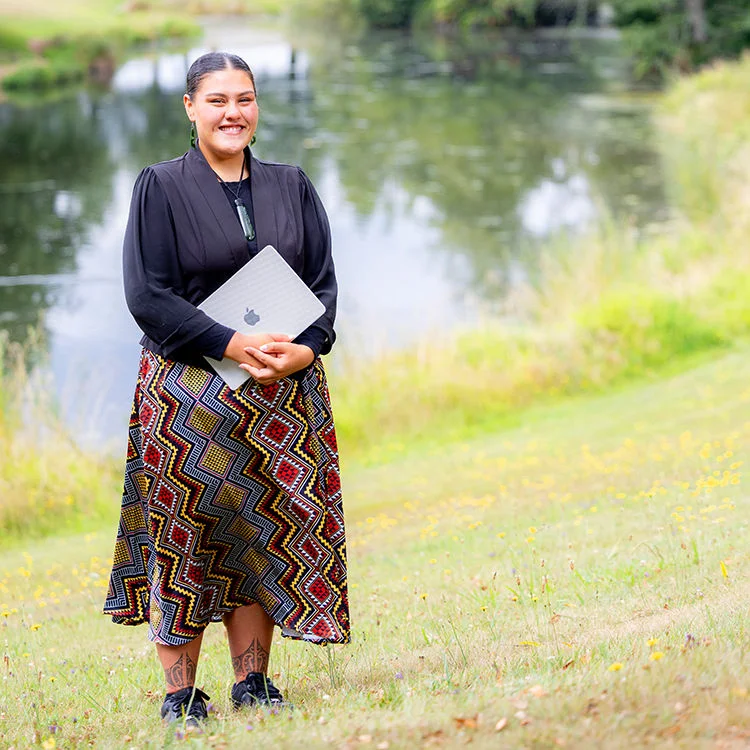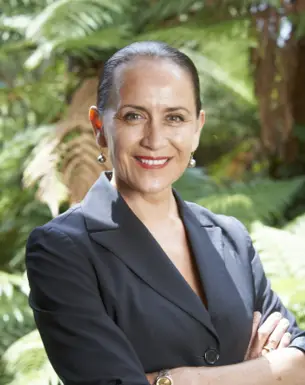


As Aotearoa heads towards the November 7 general election, political parties are promising economic growth, fiscal discipline and a return to prosperity. But Māori business and economics academic Professor Jason Mika joins Radio Waatea to examine a more fundamental question: what is the point of a growing economy if the people living in it are not doing any better?
With households struggling to meet everyday expenses, businesses navigating difficult economic conditions and communities confronting persistent inequalities, the debate over New Zealand’s economic future is about more than balancing government accounts.
It is also about who benefits from economic growth, how prosperity is distributed and whether the country’s economic priorities adequately reflect the wellbeing of its people.
Professor Mika joins Radio Waatea’s Matthew Tukaki for a discussion about capitalism, productivity, inequality, Māori enterprise and whether economic success should be measured by more than conventional financial indicators.
An Economy on a Knife Edge
New Zealand’s economic outlook remains a major election issue, with political parties offering competing approaches to government spending, taxation, investment and economic growth.
National and ACT have emphasised fiscal discipline, reducing government expenditure pressures, encouraging private investment and improving productivity as important components of economic management.
Their approach reflects the argument that sustainable public finances, business confidence and stronger economic growth are essential foundations for employment and prosperity.
Other perspectives place greater emphasis on public investment, reducing inequality, strengthening essential services and ensuring economic gains are shared more widely.
The central question is whether these objectives are necessarily in conflict.
Can governments maintain fiscal responsibility while investing in health, education, housing and workforce development?
And could stronger social outcomes contribute to improved productivity and long-term economic performance?
What Does Economic Growth Actually Mean for Whānau?
Traditional measures of economic performance often focus on gross domestic product, productivity, inflation, employment and government debt.
These indicators provide important information about the health of an economy.
However, they do not necessarily reveal how economic gains are distributed or whether households are experiencing improvements in their living standards.
An economy can expand while some families continue to struggle with housing costs, food insecurity and limited access to essential services.
Similarly, stronger national economic performance does not automatically mean that every community benefits equally.
For Māori whānau, these questions are particularly relevant given longstanding disparities in household wealth, housing security, health outcomes and employment opportunities.
The discussion with Professor Mika considers whether economic policy should place greater emphasis on measures such as household wellbeing, wealth distribution, educational achievement and intergenerational opportunity.
Capitalism, Inequality and the Distribution of Wealth
Capitalism has been central to New Zealand’s economic development, supporting private enterprise, investment, innovation and international trade.
But the system also raises questions about how wealth is accumulated and distributed, particularly when economic opportunities and ownership of assets are unevenly spread.
Professor Mika’s kōrero will explore whether existing economic arrangements are adequately responding to inequality and what changes could improve opportunities for communities experiencing disadvantage.
The debate is not simply about whether markets or governments should drive economic activity.
It is also about how institutions, businesses and communities can work together to create economic opportunities while addressing social needs.
This includes examining the role of taxation, public investment, education, entrepreneurship and the ownership of productive assets.
Could the Māori Economy Offer a Different Approach?
One of the important dimensions of the discussion is the contribution of Māori economic values to wider debates about prosperity and development.
Māori enterprise encompasses businesses, iwi organisations, trusts, incorporations and other commercial entities operating across a diverse range of industries.
Many Māori organisations combine commercial objectives with responsibilities to whānau, hapū, iwi, whenua and future generations.
Values such as manaakitanga, whanaungatanga, kaitiakitanga and rangatiratanga can influence decisions about investment, environmental stewardship, employment and the distribution of benefits.
These approaches do not eliminate commercial pressures or guarantee successful outcomes.
However, they provide a framework for considering economic development alongside collective wellbeing and intergenerational responsibility.
Professor Mika’s expertise in Māori entrepreneurship and Indigenous economic development brings an important perspective to whether these principles could contribute to a broader understanding of economic success.
Investing in People Is Also Economic Development
A further question is whether spending on health, education, housing and skills should be viewed solely as a cost to government or also as an investment in future economic capacity.
A healthier, better educated and more secure workforce can contribute to higher participation, stronger productivity and greater economic resilience.
For Māori communities, improving access to education, apprenticeships, business opportunities and stable employment can also strengthen the foundations for intergenerational prosperity.
However, public investment must still be assessed for effectiveness, affordability and its ability to deliver measurable outcomes.
The challenge for policymakers is determining which investments provide lasting economic and social benefits while maintaining sustainable public finances.
The Growing Divide Between Wealth and Hardship
Economic inequality is another important part of the conversation.
While some New Zealanders benefit from property ownership, investments and accumulated wealth, others face significant barriers to building financial security.
Housing affordability is particularly important because home ownership has traditionally been a major pathway to household wealth.
For families unable to enter the housing market, rising accommodation costs can reduce their capacity to save, invest or support future generations.
These differences raise questions about economic mobility and whether the opportunities available to younger New Zealanders are comparable with those experienced by previous generations.
For Māori, access to capital, land development, business ownership and skills training are also central to discussions about closing economic disparities.
Beyond the Election Promises
As political parties campaign on competing economic policies, voters are being asked to consider different approaches to public spending, taxation, productivity and the role of government.
But the wider challenge is determining what successful economic management should achieve.
Is success defined primarily by stronger GDP growth, lower government debt and improved business confidence?
Or should equal attention be given to household living standards, access to essential services, reduced hardship and opportunities for future generations?
These objectives are not necessarily mutually exclusive, but governments must make choices about priorities, funding and implementation.
Professor Mika’s discussion with Radio Waatea provides an opportunity to examine those choices and consider whether Māori economic thinking offers useful lessons for the wider economy.
A Different Measure of Prosperity
For Māori communities, economic development has often involved balancing commercial performance with responsibilities to people, culture, land and future generations.
That approach raises an important question for Aotearoa as a whole.
Could economic policy be strengthened by considering not only how much wealth is created, but also who benefits, how communities are affected and what opportunities are passed on to future generations?
As Aotearoa debates how to restore economic growth, Professor Jason Mika joins Radio Waatea to challenge the country to consider whether growth alone is enough — and whether a more inclusive approach to economic development could deliver stronger outcomes for Māori and all New Zealanders.
#JasonMika #MāoriEconomy #EconomicGrowth #EconomicInequality #Capitalism #MāoriBusiness #IndigenousEconomics #MāoriEntrepreneurship #CostOfLiving #SocialWellbeing #Productivity #FiscalPolicy #EconomicDevelopment #WhānauOra #Rangatiratanga #Manaakitanga #IntergenerationalWealth #Election2026 #AotearoaEconomy #MatthewTukaki #RadioWaatea #WaateaNews