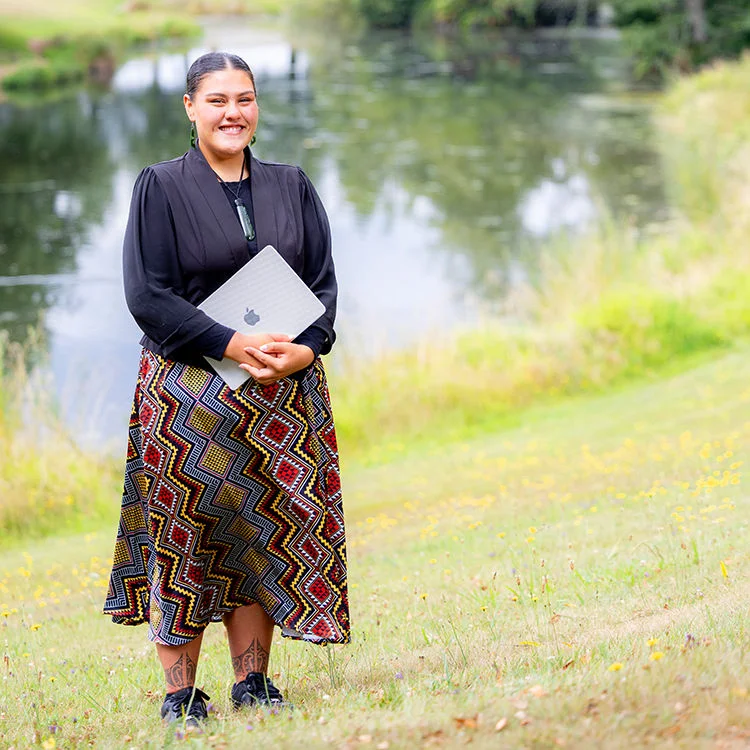

As much of Aotearoa continues to grapple with economic uncertainty, the Māori economy is emerging as a source of resilience, investment and opportunity. But leading Māori business figure Traci Houpapa is joining Radio Waatea to explore a bigger question: are Māori investing enough in their own people, skills and businesses to secure the next generation of economic prosperity?
With households facing cost-of-living pressures, businesses navigating challenging trading conditions and workers increasingly looking across the Tasman for better opportunities, the future of Māori economic development is becoming an important part of the national conversation.
Houpapa, a prominent Māori business leader associated with the Federation of Māori Authorities (FOMA), brings extensive experience in governance, business development and Māori economic leadership.
Her conversation with Radio Waatea’s Matthew Tukaki explores the resilience of Māori enterprise, the growing importance of workforce development and whether Māori businesses should be taking greater control of their economic futures rather than waiting for successive governments to deliver.
Māori Economy a Bright Spot in Challenging Times
The Māori economy has developed into a significant contributor to Aotearoa’s economic landscape, with Māori businesses and organisations operating across agriculture, forestry, fisheries, tourism, construction, technology, professional services and investment.
Māori enterprises are increasingly involved in creating employment, developing commercial partnerships and building assets intended to benefit future generations.
While the wider economy faces pressures from subdued consumer spending, business costs and uncertainty, Māori enterprise continues to demonstrate opportunities for growth and innovation.
However, economic resilience does not mean Māori businesses are immune to the challenges affecting other sectors.
Access to capital, workforce shortages, infrastructure constraints and the costs of doing business remain significant considerations.
The question is how Māori businesses can build on their existing strengths while positioning themselves for long-term success.
Investing in Our Own People
A central issue in the discussion is whether enough investment is being directed towards developing the Māori workforce.
As Māori businesses expand, demand for skilled workers, tradespeople, apprentices, managers and specialist professionals will become increasingly important.
That raises questions about the effectiveness of current education and training pathways and whether Māori enterprises could play a greater role in creating opportunities for rangatahi.
Apprenticeships, vocational training, industry partnerships and workplace development programmes all have the potential to strengthen Māori participation in sectors where skilled labour is essential.
For Māori business leaders, the challenge is not simply creating jobs but developing sustainable careers that allow whānau to build financial security and professional expertise.
It also means considering how Māori businesses can collaborate with training providers, iwi organisations and employers to ensure the skills being developed align with future economic opportunities.
The Australian Opportunity – Leaving, Returning and Working Across the Tasman
The movement of New Zealand workers to Australia has become a prominent feature of discussions about wages, employment and economic opportunity.
For many Māori whānau, Australia offers access to higher-paying jobs and employment opportunities in sectors such as construction, mining, infrastructure and healthcare.
But the story is not solely about people leaving Aotearoa permanently.
Some workers are choosing to remain in New Zealand, while others are returning after gaining skills, experience and financial resources overseas.
Another group is participating in trans-Tasman employment arrangements, travelling to Australia for work while maintaining their homes and whānau connections in Aotearoa.
These different pathways raise important questions about how Māori businesses can retain skilled workers, attract returning talent and make better use of the experience and capital generated through overseas employment.
They also highlight the importance of competitive wages, career progression and opportunities for Māori workers to build futures at home.
Should Māori Business Stop Waiting for Government?
Perhaps the most significant question emerging from the discussion is whether Māori businesses should place greater emphasis on their own collective economic capacity.
Government policy, infrastructure investment, regulation and access to funding remain important influences on business development.
However, Māori enterprises also have opportunities to work together, invest in workforce development, establish commercial partnerships and create new ventures.
For organisations with substantial assets and long-term investment horizons, collaboration may offer opportunities to strengthen supply chains, support Māori-owned businesses and develop new industries.
The challenge is determining how Māori businesses can exercise greater economic independence while continuing to engage with government where public investment and policy settings are necessary.
This includes considering whether iwi organisations, Māori incorporations, trusts and private Māori enterprises could develop more coordinated approaches to investment and employment.
Rather than simply asking what governments can do for the Māori economy, the discussion asks what Māori businesses can achieve by investing in each other.
From Economic Growth to Whānau Prosperity
A growing Māori economy also raises questions about how commercial success translates into improved outcomes for whānau.
Economic development is not measured solely by the value of assets or the number of businesses operating.
For communities, success can also mean secure employment, higher household incomes, affordable housing, educational opportunities and the ability to build intergenerational wealth.
This creates an important connection between commercial investment and social outcomes.
Māori businesses have opportunities to contribute through employment, procurement, training, housing development and partnerships with community organisations.
But ensuring economic growth delivers broad benefits requires careful planning, accountability and long-term commitment.
Traci Houpapa on the Next Generation of Māori Economic Leadership
As Aotearoa approaches the November 7 general election, economic management, employment and business confidence are central issues for political parties.
For Māori enterprise, the discussion extends beyond the immediate election cycle.
Long-term investment decisions, workforce development and commercial partnerships often require planning over years or decades rather than parliamentary terms.
Houpapa’s experience in Māori business leadership provides an opportunity to examine how Māori enterprises can strengthen their economic position, invest in rangatahi and develop a workforce capable of supporting future growth.
Her conversation with Radio Waatea will also explore the role of Māori leadership in creating opportunities that encourage workers to stay in Aotearoa, return from overseas or maintain meaningful economic connections with their communities.
Building Our Own Economic Future
The Māori economy has demonstrated the importance of long-term investment, collective enterprise and the ability to adapt to changing economic conditions.
But sustaining that progress will require continued attention to workforce capability, access to capital, innovation and opportunities for the next generation.
For Māori business leaders, the challenge is turning economic potential into practical outcomes that strengthen whānau, hapū and iwi.
The central question is whether Māori businesses can move beyond resilience and take a more deliberate role in shaping Aotearoa’s economic future through their own investment, skills development and commercial leadership.
Traci Houpapa joins Matthew Tukaki on Radio Waatea to discuss the Māori economy, workforce development, opportunities across the Tasman and the case for greater Māori-led economic investment.
#MāoriEconomy #TraciHoupapa #FOMA #FederationOfMāoriAuthorities #MāoriBusiness #MāoriEnterprise #MāoriInvestment #EconomicDevelopment #MāoriLeadership #WorkforceDevelopment #Apprenticeships #RangatahiMāori #SkillsTraining #MāoriEmployment #TransTasman #BrainDrain #MāoriProsperity #WhānauOra #EconomicIndependence #Election2026 #MatthewTukaki #RadioWaatea #WaateaNews