The Government’s decision to block Gisborne District Council from progressing tougher rules for erosion-prone land has reignited the battle over forestry slash, environmental protection and who carries the risk when the next major storm hits Tairāwhiti.
RMA Reform Minister Chris Bishop has declined the council’s application for an exemption that would have allowed it to progress Sustainable Land Use Plan Change 7.
The proposed plan change was designed to strengthen management of erosion-prone land and support a transition towards more resilient land use following the devastation experienced across the region during severe weather events.
Gisborne District Council says the issues behind the proposal have not disappeared, with erosion, sediment loss and increasingly severe weather continuing to threaten communities, waterways and whenua.
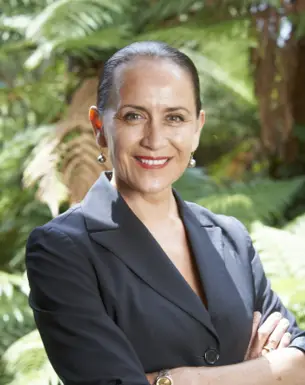
Community leader and environmental advocate Manu Caddie has been among those pushing for stronger action on forestry practices in Tairāwhiti.
Caddie, a spokesperson for Mana Taiao Tairāwhiti, has previously challenged the council to move faster on high-risk forestry and argued that communities should not have to continue carrying the environmental and financial consequences of poor land-use decisions.
The issue has particular significance following Cyclone Gabrielle and other severe storms that sent huge volumes of woody debris, sediment and forestry slash downstream, damaging properties, roads, bridges, beaches and waterways.
At the centre of the debate is who should carry the risk.
Forestry provides employment and significant economic activity across Tairāwhiti, but critics argue the costs created when erosion and slash leave forestry blocks can ultimately fall on communities, councils, ratepayers and taxpayers.
Government-funded clean-up following Cyclone Gabrielle included a $10.15 million woody debris programme aimed at removing up to 70,000 tonnes of debris, highlighting the enormous public cost that can follow major weather events.
The Government’s position is that councils should work within a national forestry framework rather than introducing separate local planning rules.
Changes introduced in June require Slash Mobilisation Risk Assessments in areas where the risk is high, but critics argue national standards do not go far enough on highly erosion-prone whenua.
For Tairāwhiti communities, that distinction matters.
The region contains large areas of extremely erosion-prone land, creating questions about whether national rules designed for the whole country can adequately respond to the particular geography and risks of the East Coast.
Caddie and Mana Taiao Tairāwhiti have previously pushed for independent risk assessments of forestry blocks and stronger restrictions on planting and clear-fell harvesting in the highest-risk red and orange zones.
The council itself has expressed disappointment that it waited around seven months for a decision on its exemption application after lodging it in December last year.
Despite Bishop blocking Plan Change 7, the council says its wider Sustainable Land Use transition programme will continue.
That work includes collaboration with iwi, landowners, forestry, farming and communities to identify more appropriate uses for vulnerable land and reduce erosion across catchments.
The dispute now goes well beyond forestry slash.
It raises a fundamental question about whether communities such as Tairāwhiti should be able to impose stronger environmental protections when they believe national regulations do not reflect the risks they face.
For Māori communities with generations of connection to whenua and awa, resilience also means protecting cultural, environmental and economic assets from disasters that have already demonstrated their capacity to devastate entire communities.
The Government has stopped Plan Change 7.
What it has not stopped is the erosion, the severe weather or the possibility that forestry debris will again come down Tairāwhiti rivers during the next major storm.
And that leaves the biggest question unanswered — if the region cannot introduce the protections it believes it needs, who carries the consequences when the next disaster arrives?
#WaateaNews #RadioWaatea #MāoriNews #ManuCaddie #Tairāwhiti #TeTairāwhiti #Gisborne #Forestry #ForestrySlash #Slash #ChrisBishop #PlanChange7 #ManaTaiaoTairāwhiti #CycloneGabrielle #Erosion #EnvironmentalProtection #EnvironmentalJustice #ClimateResilience #CommunityResilience #Whenua #Awa #Taiao #Iwi #Hapū #Whānau #MāoriEnvironment #LandUse #RMA #NZForestry #EastCoast #Aotearoa #NZNews