


The Māori economy is growing in scale and ambition, but with Election 2026 heating up, questions are being asked about whether the political parties have the right policies to unlock its full potential.
As the campaign enters another critical stage, Māori businesses and enterprises are navigating a challenging economic environment marked by rising operating costs, workforce pressures, access to finance and uncertainty across international markets.
Despite those challenges, the Māori economy remains an increasingly important contributor to Aotearoa’s economic future, with Māori enterprises active across agriculture, forestry, fisheries, tourism, technology, manufacturing and professional services.
For many Māori small and medium-sized businesses, however, the immediate priority is managing everyday costs while finding opportunities to expand, invest and create sustainable employment.
Access to capital remains a significant issue, particularly for Māori enterprises seeking to develop whenua, invest in infrastructure or move into higher-value industries.
Workforce development is another priority, with businesses needing skilled workers, stronger training pathways and opportunities to retain Māori talent in their own communities.
The global economic environment is also creating challenges, with international market uncertainty, changing demand and trade pressures influencing business confidence and investment decisions.
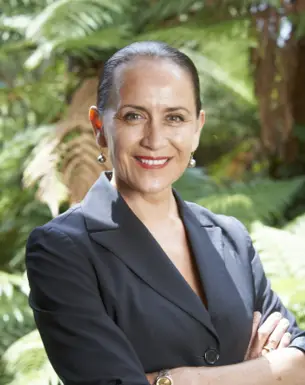
Federation of Māori Authorities Chief Executive Traci Houpapa joins Radio Waatea to examine the opportunities and obstacles facing Māori enterprise and assess what the political parties are offering ahead of the general election.
The discussion will explore whether current election policies adequately address Māori business development, access to investment, workforce capability and the importance of supporting Māori-led economic growth.
It will also consider how the next Government could work more effectively with Māori businesses, iwi organisations and landowners to strengthen economic resilience and create opportunities for whānau.
With Māori enterprise playing an increasingly prominent role in the national economy, the election presents an opportunity to examine how government policy can support long-term prosperity, innovation and intergenerational wealth creation.
The central question is whether the political promises being made today will translate into practical opportunities for Māori businesses and whānau tomorrow.
#Election2026 #TraciHoupapa #FOMA #FederationOfMaoriAuthorities #MaoriEconomy #MaoriBusiness #MaoriEnterprise #MaoriSMEs #MaoriInvestment #AccessToCapital #WhenuaMaori #MaoriDevelopment #EconomicGrowth #JobCreation #WorkforceDevelopment #IwiEconomy #WhanauProsperity #NZPolitics #Aotearoa #RadioWaatea #WaateaNews


