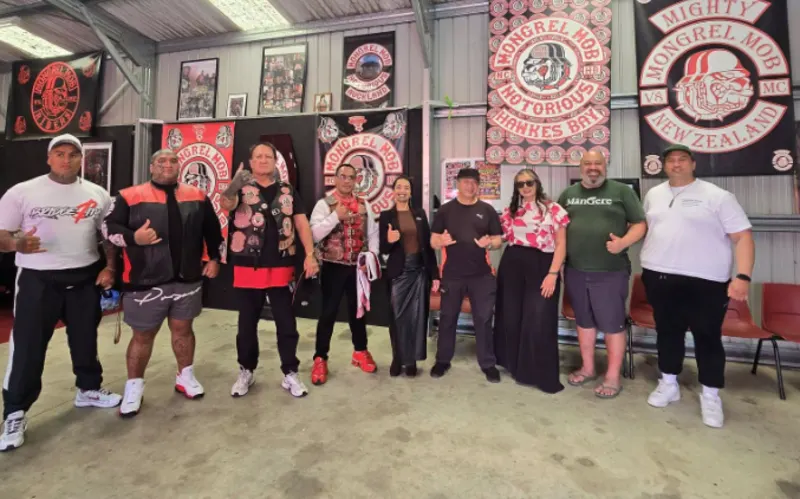
As international visitor numbers continue their steady recovery, respected Māori tourism leader Dale Stephens says Aotearoa has a unique opportunity to strengthen its global tourism brand by placing Māori identity, authentic storytelling and cultural leadership at the heart of the visitor experience.
His comments come as new Government figures show New Zealand’s tourism sector continues to rebuild strongly, with more than 3.58 million international visitor arrivals recorded in the year to February 2026—around 92 percent of pre-pandemic levels. Tourism remains New Zealand’s second-largest export earner, supporting thousands of businesses and jobs across the country.
Stephens, a long-time advocate for Māori-led tourism, believes the country’s greatest competitive advantage is something no other destination can replicate—its Indigenous culture.
He says visitors are increasingly seeking meaningful experiences that connect them with people, place and culture rather than simply ticking attractions off a list.
For Māori tourism operators, that means creating experiences grounded in manaakitanga, whakapapa and kaitiakitanga, where visitors leave with a deeper understanding of Aotearoa and the people who have cared for its landscapes for generations.
Stephens argues Māori tourism is not simply about showcasing culture but about creating economic opportunities that strengthen whānau, hapū and iwi while protecting cultural integrity.
He believes authentic Māori storytelling allows visitors to experience New Zealand through an Indigenous lens, building stronger connections to the whenua and creating memories that extend well beyond traditional sightseeing.
His vision aligns with changing international tourism trends, where travellers are increasingly choosing destinations that offer cultural authenticity, sustainability and community-led experiences.
Stephens has previously highlighted the growing international interest in the Māori tourism model following engagements with Indigenous communities in South America, where Māori approaches to balancing cultural preservation with economic development have attracted significant attention.
While welcoming the continued growth in international visitor numbers, Stephens says the tourism industry must ensure that growth benefits regional communities and Māori enterprises rather than focusing solely on increasing arrival numbers.
He believes Māori tourism can play a leading role in regional economic development by supporting locally owned businesses, creating employment, strengthening cultural capability and encouraging visitors to spend more time in communities throughout Aotearoa.
The Government has welcomed the latest tourism figures, saying increased visitor numbers are supporting economic growth, creating jobs and boosting confidence across the hospitality and tourism sectors. Recent growth has been particularly strong from Australia, China, the United States and India, with international arrivals continuing to trend towards pre-pandemic levels.
Industry analysts say the recovery presents an opportunity to rethink how New Zealand positions itself internationally, moving beyond traditional marketing focused on scenery and adventure towards experiences that reflect the country’s unique cultural identity.
For Stephens, Māori tourism represents exactly that opportunity.
He says successful tourism should leave a lasting legacy not only for visitors but also for the communities hosting them, ensuring economic development goes hand in hand with cultural preservation and environmental stewardship.
As international tourism continues to recover, Stephens believes Māori operators are uniquely positioned to lead the next chapter of New Zealand’s visitor economy by offering experiences rooted in authenticity, sustainability and the enduring values of te ao Māori.
With global demand for Indigenous cultural experiences continuing to grow, he says Māori tourism is well placed to help shape both the future of the industry and the way the world understands Aotearoa.
#RadioWaatea #WaateaNews #MāoriTourism #DaleStephens #Tourism #Manaakitanga #Kaitiakitanga #Whakapapa #RegionalDevelopment #Hospitality #EconomicDevelopment #TeAoMāori #Aotearoa #IndigenousTourism #NZTourism