




The voices, stories and unique dialect of Te Tai Tokerau are being preserved for future generations through a growing collection of archival recordings held by Ngā Taonga Sound & Vision.
He Reo Rongomaiwhiti – Our Ancestors’ Voices is a national initiative that brings historical recordings of te reo Māori to life, allowing whānau, hapū and iwi to reconnect with the voices of their tūpuna and the rich linguistic heritage of their regions.
A dedicated Tai Tokerau collection has been established within the wider archive, preserving the distinctive mita, expressions and oral traditions of the Far North.
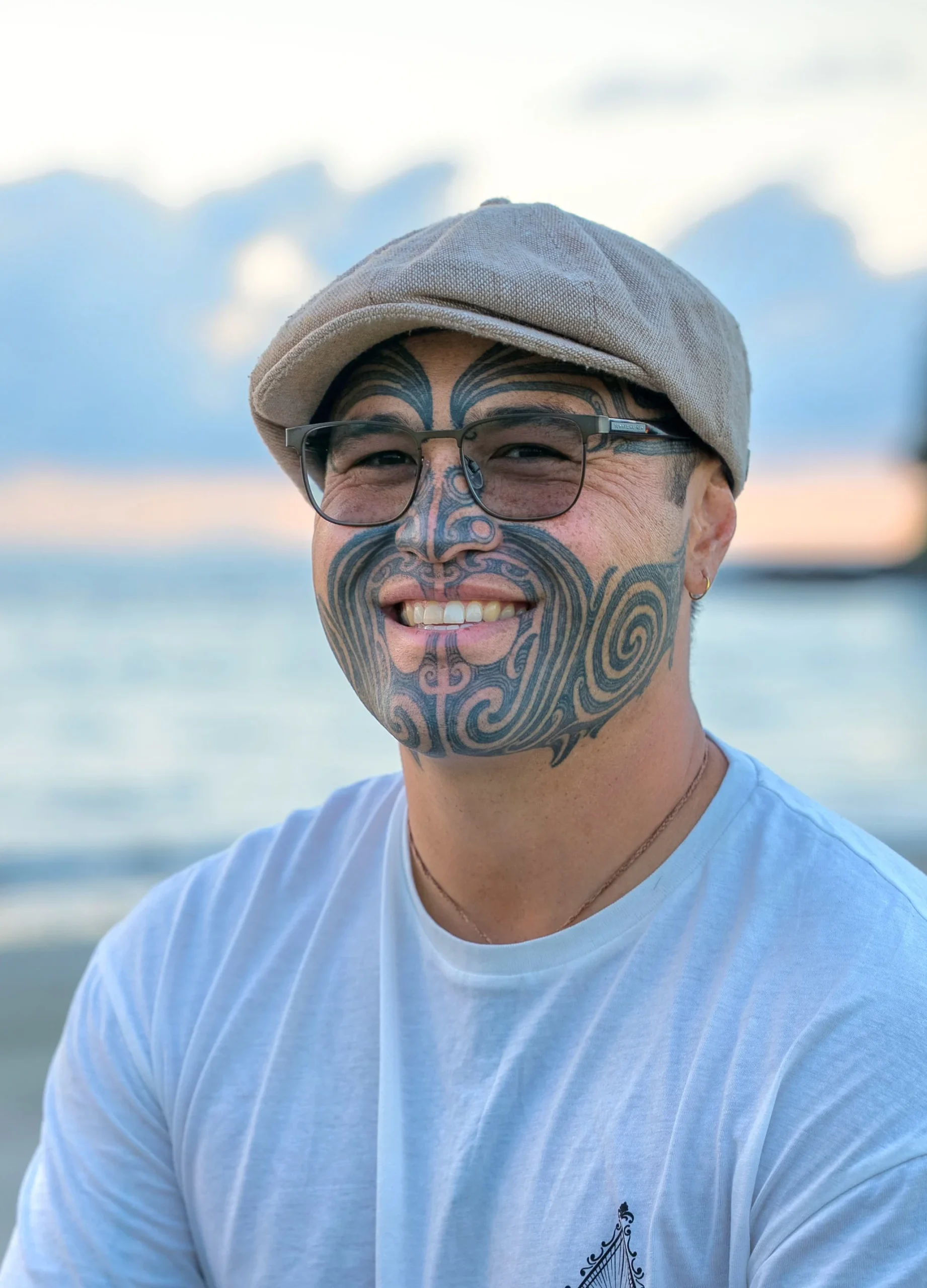
Ngā Taonga Sound & Vision Senior Mātauranga Māori advisor Ayla Blair-Smith says the collection represents far more than historical recordings. It provides an opportunity for communities to hear the voices of ancestors, retain cultural knowledge and strengthen language revitalisation efforts.
The project emerged from ongoing work with whānau, hapū and iwi to identify, preserve and care for taonga recordings that hold significant cultural and historical value.
Many of the recordings feature kaumātua, native speakers and respected community leaders whose voices capture the unique linguistic characteristics and storytelling traditions of Te Tai Tokerau.
For descendants and communities connected to the recordings, the collection provides a direct connection to whakapapa, history and mātauranga Māori that may otherwise have been lost to time.
Ngā Taonga works closely with iwi and hapū to determine how recordings should be preserved, accessed and managed, ensuring tikanga remains central to decision-making.
The organisation says balancing accessibility with cultural safety is a key priority. While some recordings are available for public listening and educational purposes, others remain subject to restrictions determined by whānau, hapū and iwi.
Special protocols are in place to protect culturally sensitive material and ensure recordings are used appropriately and respectfully.
Ayla Blair-Smith says the collaborative approach recognises that these recordings are not simply historical artefacts but living taonga that continue to carry cultural, spiritual and educational significance for the communities they belong to.
As interest in language revitalisation continues to grow, He Reo Rongomaiwhiti offers an important resource for future generations seeking to reconnect with the voices, stories and identity of their ancestors.
The collection also highlights the growing role of digital preservation in safeguarding Māori knowledge while ensuring communities maintain authority over how their taonga are cared for and shared.


