


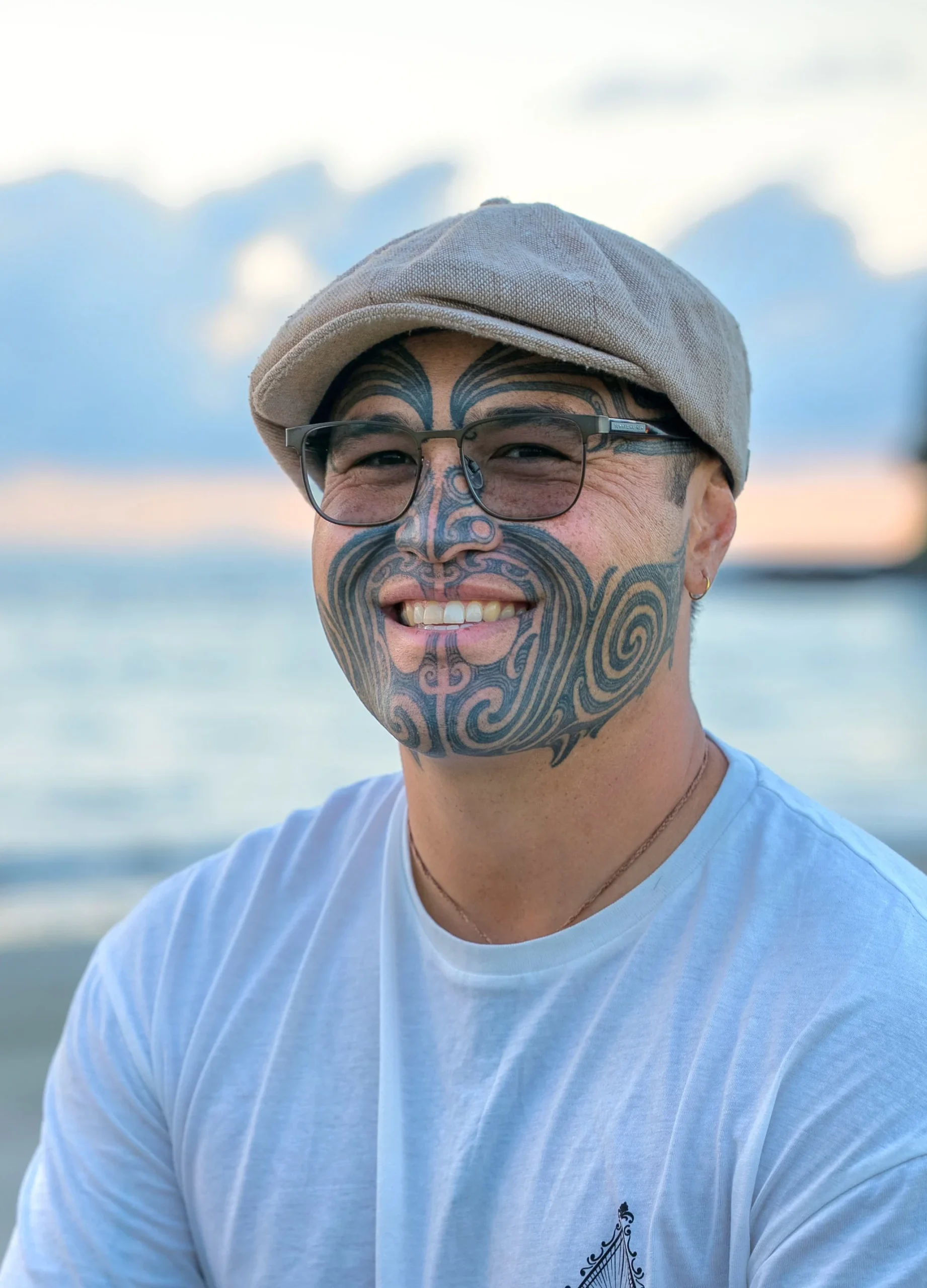


Former Auckland councillor, mayoral candidate and Labour Party Tāmaki Makaurau candidate Kerrin Leoni says addressing homelessness, improving men’s health outcomes and strengthening rural healthcare must remain national priorities as communities across Aotearoa face mounting pressures.
Leoni’s comments come amid growing concern over rising homelessness, with increasing numbers of rangatahi and kaumātua experiencing housing insecurity and severe housing deprivation.
Housing advocates say homelessness is no longer confined to a single demographic, with young people, whānau and older New Zealanders all facing unique challenges in accessing safe, stable and affordable housing.
Leoni says solutions must recognise the different needs of each group, with tailored approaches required for young people transitioning to independence, as well as older people facing isolation, rising living costs and limited housing options.
She is also expected to highlight the importance of stronger partnerships between central government, local councils, iwi, housing providers and community organisations to deliver long-term housing outcomes rather than short-term crisis responses.
The discussion comes as Māori housing providers continue to call for greater investment in kaupapa Māori housing initiatives that allow whānau to remain connected to whenua, whakapapa and community support networks.
As Men’s Health Week is marked across the country, Leoni is also raising concerns about persistent health inequities affecting Māori and Pasifika men.
Health experts continue to report higher rates of preventable illness, chronic disease and late-stage diagnoses among Māori men, contributing to poorer health outcomes and lower life expectancy compared with the wider population.
Leoni says improving access to preventative healthcare, increasing screening participation and investing in culturally responsive health services are key steps towards closing those gaps.
The challenges facing rural healthcare are also expected to feature prominently in the discussion.
Communities in regional and rural areas continue to experience difficulties accessing specialist services, primary healthcare and timely treatment, with workforce shortages placing additional pressure on existing services.
Leoni says attracting and retaining healthcare professionals in rural communities requires a long-term commitment to workforce development, professional support, housing availability and investment in healthcare infrastructure.
Advocates argue that without sustained action on housing, health equity and rural healthcare, existing disparities will continue to widen, particularly for Māori communities already facing significant social and economic barriers.
The issues are expected to remain central to political debate as parties prepare for the 2026 General Election and voters look for practical solutions to some of the country’s most persistent challenges.


