


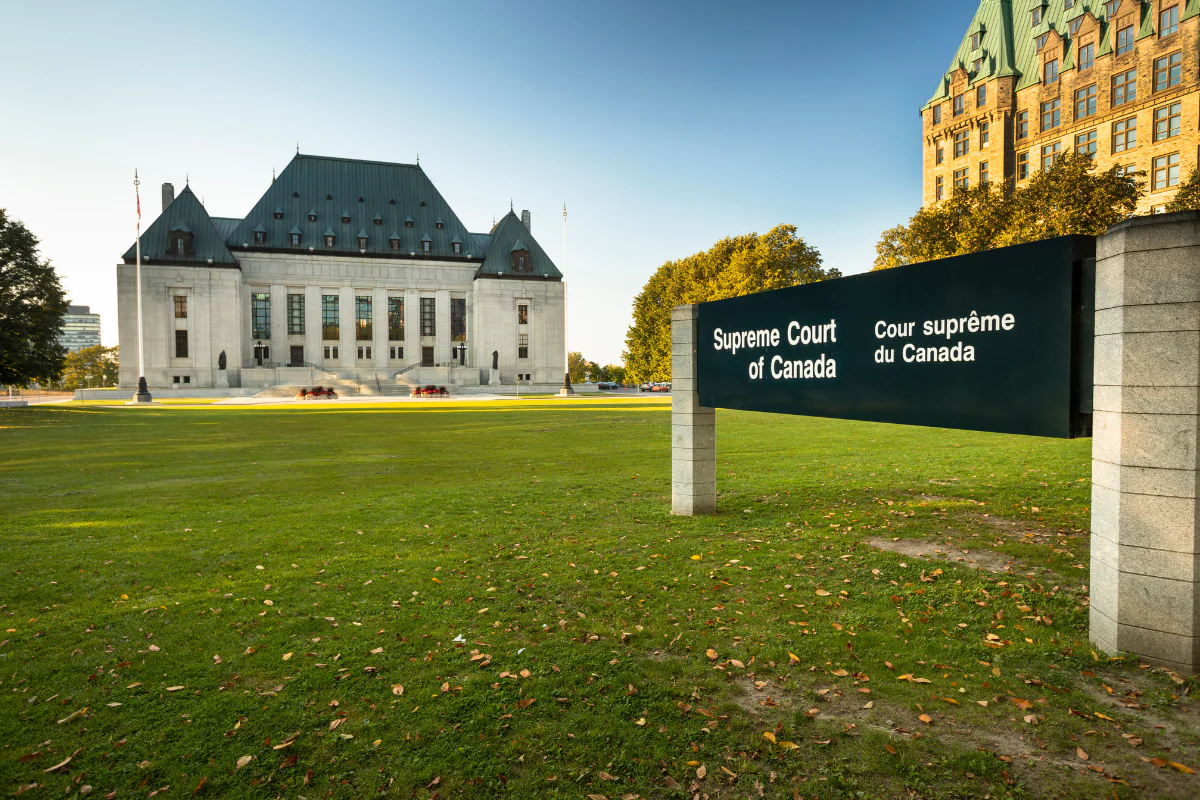

A major Indigenous land rights case in Canada has reached a significant turning point after the Supreme Court of Canada declined to hear an appeal from the Wolastoqey Nation, leaving a lower court ruling in place and reigniting debate over Indigenous title and private property rights.
The decision stems from a long-running legal battle involving six Wolastoqey First Nations in New Brunswick, who are seeking recognition of Aboriginal title over a large area of their traditional territory. The claim covers more than half of the province and includes both Crown land and privately owned land.
The Supreme Court’s refusal to hear the appeal means a New Brunswick Court of Appeal ruling will stand. That ruling found that Aboriginal title cannot be formally declared over privately owned land held under fee simple title, arguing that the two forms of ownership are fundamentally incompatible.
However, the decision does not end the Wolastoqey Nation’s broader title claim.
The court left open the possibility that Aboriginal title could still be established over Crown land and that findings relating to historical title over private land could support future compensation claims against governments.
The case has become one of Canada’s most closely watched Indigenous rights battles because of its potential implications for reconciliation, historical land dispossession and the relationship between Indigenous title and modern property ownership.
Wolastoqey leaders have argued that the claim is not about forcing people from their homes but about achieving recognition of long-standing rights and responsibilities to their traditional territory. Earlier court decisions had allowed the broader title claim to proceed and recognised that questions surrounding Aboriginal title over private land remain legally significant.
The ruling also comes amid growing legal and political discussion across Canada following other landmark Indigenous title decisions, including recent cases in British Columbia that have challenged traditional assumptions about land ownership and Crown authority.
For Indigenous advocates, the outcome highlights both the challenges and opportunities that remain in the pursuit of reconciliation. While the Supreme Court’s decision narrows one legal pathway, it does not erase the underlying questions about historical occupation, Crown obligations and Indigenous sovereignty that continue to shape land rights discussions across Canada.
For the Wolastoqey Nation, the fight for recognition is not over. It is simply entering its next chapter.


