


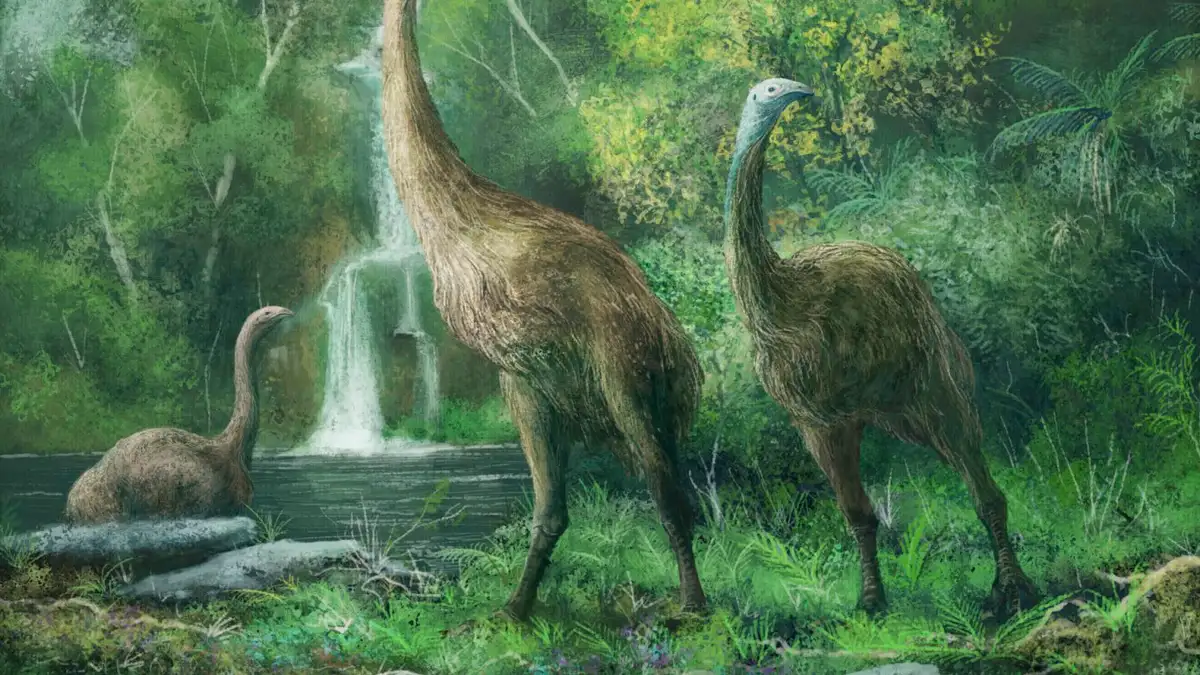

A controversial attempt to bring the extinct moa back to life has ignited debate among scientists after biotechnology company Colossal Biosciences unveiled what it claims is a breakthrough artificial egg capable of incubating giant bird embryos.
The company says the technology could one day help resurrect the South Island giant moa, which stood more than three metres tall before becoming extinct around 600 years ago. The artificial egg uses a silicone-based membrane designed to mimic the oxygen transfer of a natural eggshell and has already been used to hatch chickens in laboratory trials.
But the announcement has divided the scientific community, with critics questioning whether true moa “de-extinction” is even possible. Some researchers argue the project would create a genetically modified bird that merely resembles a moa, rather than reviving the original species itself.
Scientists also say major hurdles remain, including reconstructing usable moa DNA and solving the challenge of incubating embryos far larger than those of any living bird species. Experts note moa eggs were significantly bigger than ostrich eggs, making artificial incubation essential for any future project.
The project has attracted global attention partly because of backing from filmmaker Sir Peter Jackson and involvement from the Ngāi Tahu Research Centre. Supporters say the technology could also help conservation efforts for endangered bird species.
However, critics warn the science is moving faster than ethical and ecological discussions, raising questions about how any recreated moa would fit into modern ecosystems and whether resources would be better spent protecting species already under threat today.
#Moa #Aotearoa #ScienceNews #DeExtinction #NZNews #Wildlife #Conservation #PeterJackson #ColossalBiosciences #RadioWaatea


