As Te Tai Tokerau reels from recent severe weather, flooding and slips that cut communities off and tested whānau resilience, many marae have emerged as beacons of care and connection – opening their waharoa to provide shelter, support, and aroha to those affected.
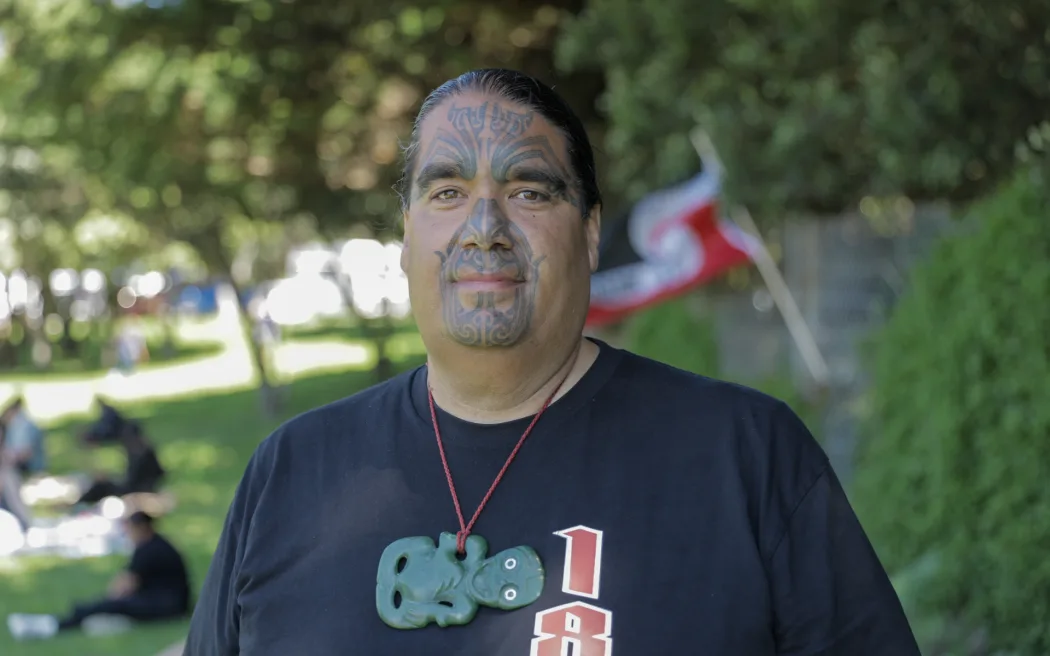
Aperahama Edwards, respected community leader and kaikaranga, has witnessed firsthand the generosity of spirit shown across local marae as whānau, friends and strangers alike sought refuge, kai, warmth, and community in a time of hardship.
In an interview with Radio Waatea, Edwards highlighted the way marae stood strong as tūāpapa for whānau, embodying Manaakitanga – offering not just physical shelter, but emotional support, food, running water, charging stations, warmth, and a place to kōrero, to rest, and to regroup.
“In times like these – when the whenua is angry, and our roads are gone, and our whānau are cut off – the marae don’t just open their doors. They open their hearts,” Edwards said.“This is who we are. This is what manaakitanga looks like in action. Our kaumātua, our tamariki, our kuia – everyone has a place at the table.”
Edwards described marae from Kohukohu to Te Rangi, from Ngātaki to Whangārei, where whānau came together to share kai, tools, generators, blankets and reassurance. Some marae became coordination hubs for volunteers and agencies; others simply offered somewhere safe to sleep.
For many isolated communities, marae were the first – and sometimes only – point of contact with the wider world as road access was severed and emergency services worked to reach cut-off whānau.
“It wasn’t just shelter,” Edwards said. “It was whakapapa, it was wairua, it was ‘we are in this together.’ That’s what got people through the long nights.”
Edwards also paid tribute to volunteers, truck drivers, and organisations who brought supplies, cleared tracks where possible, and kept people connected. But the core message remained: when the storm hit hardest, the marae stood tallest.
He says the experience has reminded many of the enduring strength of Māori community structures – not as relics of the past, but as living, breathing systems of care uniquely suited to times of crisis.
“The marae saved people physically,” Edwards said, “but more importantly, they saved people spiritually.”
Radio Waatea will continue to share stories of resilience, aroha, and community leadership from across the North as Aotearoa moves into recovery.