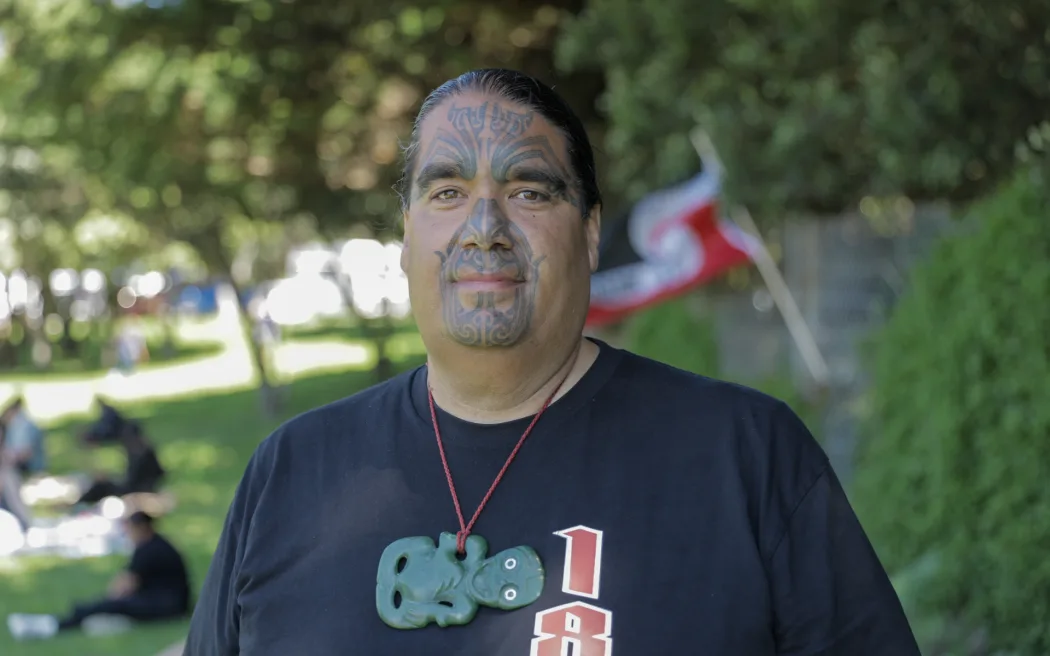
Dr Rebecca Garland co-authored a New Zealand Medical Journal study showing that New Zealand’s B4 School Check hearing screening is far less effective for Māori and Pacific preschoolers, who are both more likely to miss out on screening and more likely to have untreated hearing loss.
Health experts and Māori clinicians are warning that hearing loss among Māori children remains an under-recognised but widespread issue, affecting language development, education, social wellbeing, and long-term health outcomes.
While deafness can affect any child, Māori tamariki experience hearing problems at significantly higher rates, largely due to preventable and treatable conditions.
One of the main causes of hearing loss in Māori children is otitis media – middle-ear infections and persistent glue ear. Research shows Māori tamariki are:
-
more likely to develop chronic ear infections
-
more likely to experience delays in treatment
-
less likely to have consistent access to follow-up care
-
more likely to require grommets but wait longer for surgery
Cold, damp housing, overcrowding, and barriers to primary care all contribute to higher infection rates.
Left untreated, these infections can cause temporary or permanent hearing loss, affecting both early learning and long-term brain development.
For many Māori children, hearing impairment is first noticed at kōhanga reo or school, where teachers observe difficulties with:
-
pronouncing words
-
responding to instructions
-
engaging socially
-
keeping up in class
-
maintaining confidence and participation
In reo Māori environments, the impact can be even more significant. If a child cannot clearly hear the sounds of te reo – especially consonant blends and macrons – language acquisition can be slowed, contributing to educational gaps.
Whānau often face multiple barriers when trying to get support for ear health:
-
Cost of GP visits, especially for ongoing infections
-
Travel distances for hearing specialists or audiologists
-
Long wait times for grommet surgery
-
Inconsistent follow-up due to workforce shortages
-
Lack of culturally appropriate services
For some tamariki, this means months or years of intermittent hearing loss during critical learning periods.
Māori health providers and iwi-based services are leading targeted responses, including:
1. Mobile Ear Clinics
Many rohe now have vans that visit kura, marae, and kōhanga reo to test hearing, treat infections, and provide whānau education.
2. Whānau Ora approaches
By treating the home environment, addressing housing conditions, and supporting transport or costs, providers can remove barriers that prevent children getting care.
3. Early screening programmes
Some kura use regular hearing checks to catch issues early, reducing long-term risks.
4. Kaupapa Māori audiology services
Culturally grounded services build trust, reduce stigma, and make it easier for parents to seek help quickly.
Clinicians and Māori health advocates say stronger national support is urgently needed, including:
-
faster access to grommet surgery
-
more funding for Māori-led hearing programmes
-
routine screening in early childhood centres
-
better data collection on Māori child hearing outcomes
-
investment in healthy housing to prevent infections
They warn that without action, preventable hearing loss will continue to affect tamariki Māori at disproportionately high rates.
Hearing is central to learning, communication, and connection – and for Māori, it is essential for reo, waiata, and whanaungatanga. Ensuring tamariki can hear clearly is vital for their confidence, education, and cultural identity.
Health providers are urging whānau to seek help early if they notice signs of hearing trouble – because with timely treatment, most ear-related hearing loss can be prevented or reversed.