

One of the most defining moments in Aotearoa’s labour history unfolded in 1951, when a bitter dispute on the waterfront brought the country to a standstill and left a legacy still felt today.
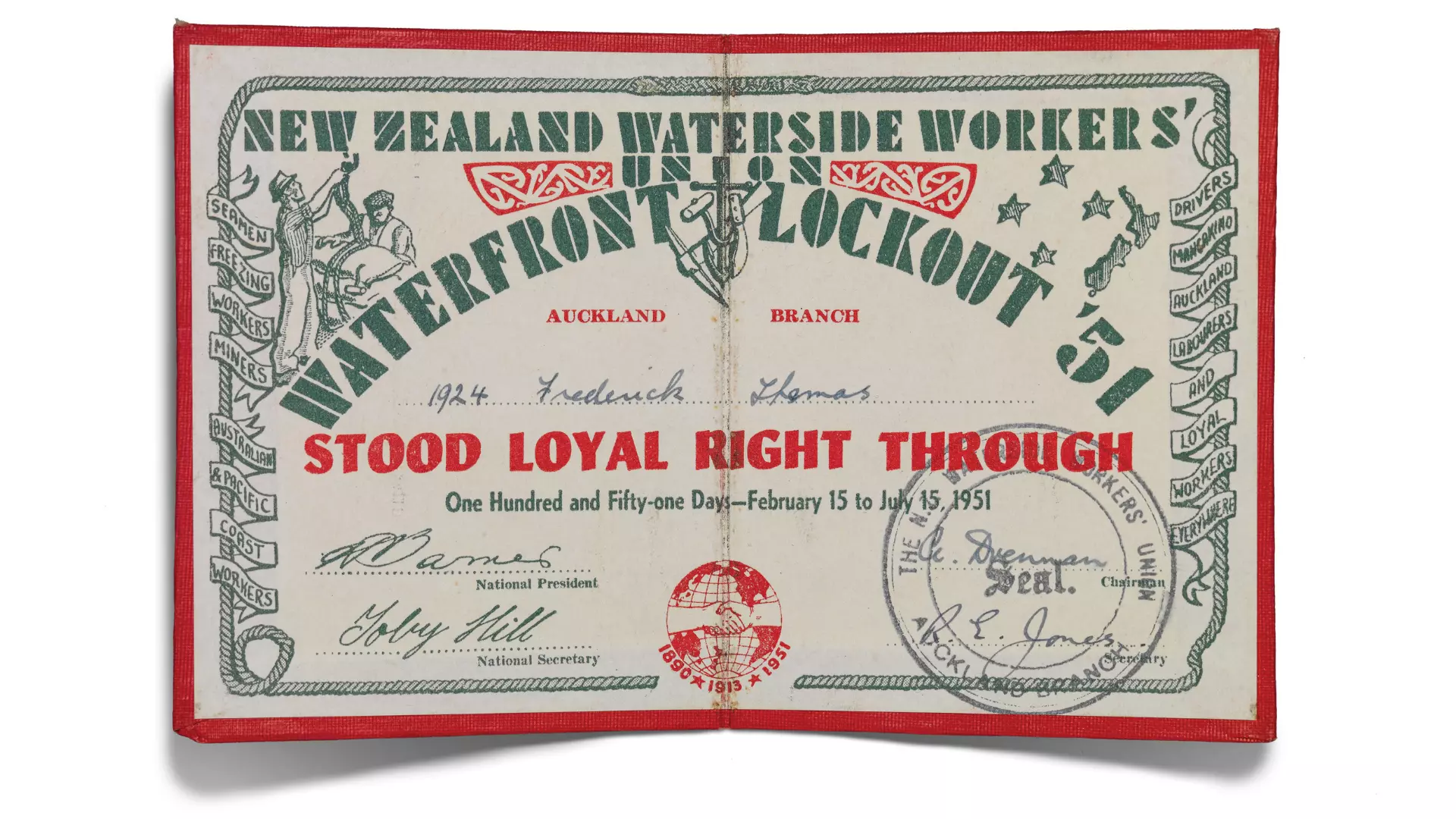
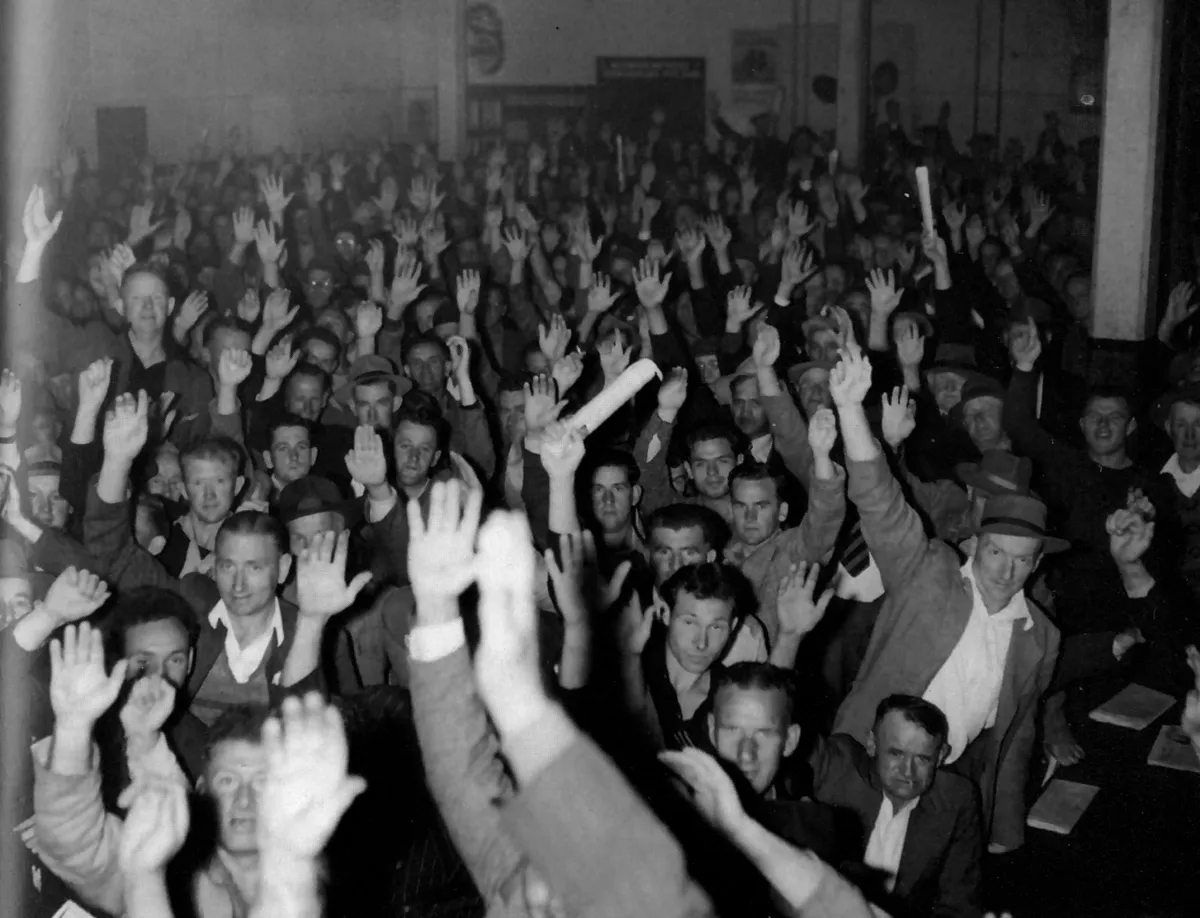
The 1951 waterfront dispute lasted 151 days, making it the longest and largest industrial confrontation in New Zealand history. At its peak, more than 22,000 waterside workers and union supporters were off the job, disrupting the flow of goods through the country’s critical ports.
The conflict began when waterside workers refused to work overtime, pushing for better pay and conditions. Employers responded by locking them out of the wharves, triggering a nationwide standoff that quickly escalated beyond the docks.
With the waterfront playing a central role in New Zealand’s export-driven economy, the dispute had immediate and widespread impacts, halting shipping, affecting industries, and drawing in other unions in solidarity action.
The National Government, led by Prime Minister Sidney Holland, took a hardline response, declaring a state of emergency and introducing strict regulations that limited public gatherings, censored information, and made it illegal to support striking workers. Military personnel were deployed to keep ports operating.
The dispute took place during the early years of the Cold War, adding a political edge that deepened divisions across society. Workers, government, and employers accused each other of extreme ideologies, and the country became sharply polarised.
When the dispute finally ended in July 1951, the waterside workers’ union had been defeated and deregistered, marking a major shift in the balance of power between unions and the state. The wider union movement was weakened and divided for years to come.
Historians say the waterfront dispute reshaped industrial relations in Aotearoa, influencing labour laws, union strength, and the relationship between workers and government for decades.
More than seven decades on, the events of 1951 remain a powerful reminder of the struggles over workers’ rights, state power, and economic control in New Zealand’s history.
#NZHistory #WaterfrontDispute #WorkersRights #Unions #Aotearoa #LabourHistory #Politics