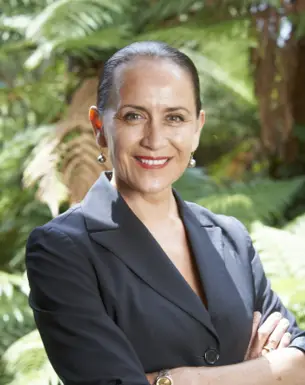
Respected Tairāwhiti leader Cushla Tangaere says rising unemployment is reversing years of hard-fought progress for Māori communities, warning that every job lost has a ripple effect on whānau, housing, education and regional development.
Speaking after the latest labour market figures showed New Zealand’s unemployment rate had climbed to 5.6 percent—the highest level in more than a decade—Tangaere said the consequences are being felt well beyond the workplace.
“When employment goes backwards, everything goes backwards,” she said.
The latest Stats NZ figures show Māori continue to be disproportionately affected by the economic slowdown, with Māori unemployment rising to 10.8 percent, nearly double the national rate. Rangatahi Māori and regional communities have been among the hardest hit, as employment opportunities continue to decline across many sectors.
Tangaere, who has spent years leading initiatives in iwi development, housing, economic growth and community wellbeing throughout Tairāwhiti, says employment is the foundation upon which many other aspects of life depend.
“When people lose jobs, it’s not just about a pay packet,” she said. “It affects housing, mental wellbeing, education, whānau stability and people’s confidence in their future.”
She says Māori communities have worked tirelessly over many years to build stronger local economies, create employment pathways and invest in rangatahi, but those gains are now at risk.
The latest figures show the number of unemployed young people aged 15 to 24 has continued to rise, while Māori unemployment remains significantly above the national average.
For regions like Tairāwhiti, where employment opportunities can already be limited, Tangaere says economic downturns are often felt more sharply than in larger urban centres.
She believes sustained investment in Māori enterprise, regional infrastructure, skills training and housing remains essential if communities are to withstand periods of economic uncertainty.
Tangaere says employment is about more than economic indicators—it is about giving whānau dignity, independence and the opportunity to contribute to their communities.
“When people are working, they can support their families, participate in their communities and plan for the future. When those opportunities disappear, everything else becomes harder.”
The unemployment figures have become a major political issue ahead of the general election, with parties debating how best to stimulate job creation and strengthen the economy.
While national discussions often focus on percentages and economic forecasts, Tangaere says Māori communities experience the reality behind those numbers every day.
For many whānau, rising unemployment means difficult choices around paying rent, putting food on the table and supporting tamariki through school.
She says rebuilding the economy must include targeted support for regions and Māori communities that have historically carried a disproportionate share of unemployment during economic downturns.
As New Zealand searches for a path to economic recovery, Tangaere says success should ultimately be measured not by statistics alone, but by whether whānau are able to find secure work, remain in their communities and build better futures for the next generation.
#Tags:
#RadioWaatea #WaateaNews #CushlaTangaere #MāoriEmployment #Unemployment #Jobs #Tairāwhiti #EconomicDevelopment #Whānau #Rangatahi #Housing #MāoriEconomy #RegionalDevelopment #CostOfLiving #StatsNZ #TeAoMāori #Aotearoa #EconomicRecovery #MāoriNews #Election2026