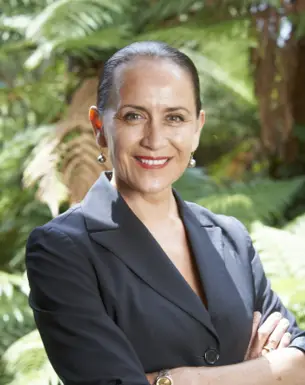
One of the most closely watched contests in Māori politics is shaping up in Hauraki-Waikato, where Labour candidate Kingi Kiriona is seeking to reclaim a seat that dramatically shifted away from the party at the last election.
The electorate made national headlines in 2023 when then-21-year-old Hana-Rāwhiti Maipi-Clarke of Te Pāti Māori defeated long-serving Labour MP and former Cabinet Minister Nanaia Mahuta, ending Labour’s decades-long hold on one of the country’s most significant Māori electorates.
Now, with another election approaching, Labour is attempting to rebuild support in a seat that has become symbolic of wider political shifts among Māori voters.
For Labour, the challenge is significant.
The 2023 election saw a strong swing toward Te Pāti Māori across several Māori electorates as many voters expressed frustration over housing, cost-of-living pressures, inequality and perceptions that Labour had not delivered enough transformational change despite holding government for six years.
Kingi Kiriona believes Labour remains a viable option for voters and says reconnecting with whānau on the ground will be critical to winning back trust.
The campaign is expected to focus heavily on listening to communities, rebuilding relationships and demonstrating that Labour understands the issues facing Māori households today.
Political observers say Labour’s path back to victory will depend on convincing voters that it has learned from its previous shortcomings and can offer a compelling alternative to both the Coalition Government and Te Pāti Māori.
Questions remain about whether Labour has done enough to challenge Hana-Rāwhiti Maipi-Clarke’s popularity.
Since entering Parliament, Maipi-Clarke has become one of the country’s most recognisable political figures, particularly among younger Māori voters.
Her advocacy on issues including Te Tiriti o Waitangi, Māori rights and opposition to Government reforms has attracted significant public attention.
Labour’s challenge is not simply presenting policy alternatives but overcoming the momentum and profile that Te Pāti Māori has built since the last election.
For Kiriona, success may depend on demonstrating a clear vision for Hauraki-Waikato while showing voters how Labour would deliver practical outcomes.
One issue dominating political discussion is the Coalition Government’s approach to Māori policy.
The dismantling of Te Aka Whai Ora, changes to references to Te Tiriti o Waitangi in legislation and broader debates around co-governance and Māori representation continue to generate strong reactions across many Māori communities.
Critics argue these decisions have weakened Māori voices within government systems and reduced opportunities to address long-standing inequities.
Supporters of the changes argue they create greater consistency across public services and governance structures.
The debate is expected to remain a major election issue, particularly within Māori electorates.
Many voters are looking closely at what opposition parties would do differently and whether they are prepared to reverse some of the Coalition’s reforms.
While constitutional and policy debates attract headlines, many voters remain focused on everyday concerns.
Across Hauraki-Waikato, issues such as housing affordability, healthcare access, education, employment opportunities and the rising cost of living continue to dominate conversations.
Whānau are also expressing concerns about infrastructure, community safety and economic opportunities for rangatahi.
Political parties campaigning in Māori electorates are increasingly finding that while identity and representation remain important, voters also want practical solutions to challenges affecting daily life.
The ability to connect national policy with local outcomes may prove decisive in determining how people vote.
For candidates like Kiriona, modern political campaigning looks very different from even a decade ago.
Social media has become an essential tool for engaging voters, sharing messages and responding to issues in real time.
Platforms such as Facebook, Instagram, TikTok and other digital channels now play a central role in reaching younger voters and building community engagement.
The rise of digital campaigning has transformed how candidates communicate, requiring greater visibility, faster responses and a stronger online presence.
For many emerging political leaders, social media is now as important as traditional public meetings, community events and door-knocking campaigns.
As the election draws closer, Hauraki-Waikato is once again shaping as one of the country’s most fascinating political battlegrounds.
The contest represents more than a fight between candidates.
It reflects broader questions about Māori political representation, Labour’s ability to rebuild support, Te Pāti Māori’s growing influence and the issues that matter most to Māori voters heading into the next election.
Whether Labour can reclaim one of its former strongholds or whether Te Pāti Māori can strengthen its hold on the electorate will be one of the defining stories of the campaign.
For now, both parties know that winning Hauraki-Waikato means winning the trust of whānau who are looking for leadership, representation and results.