


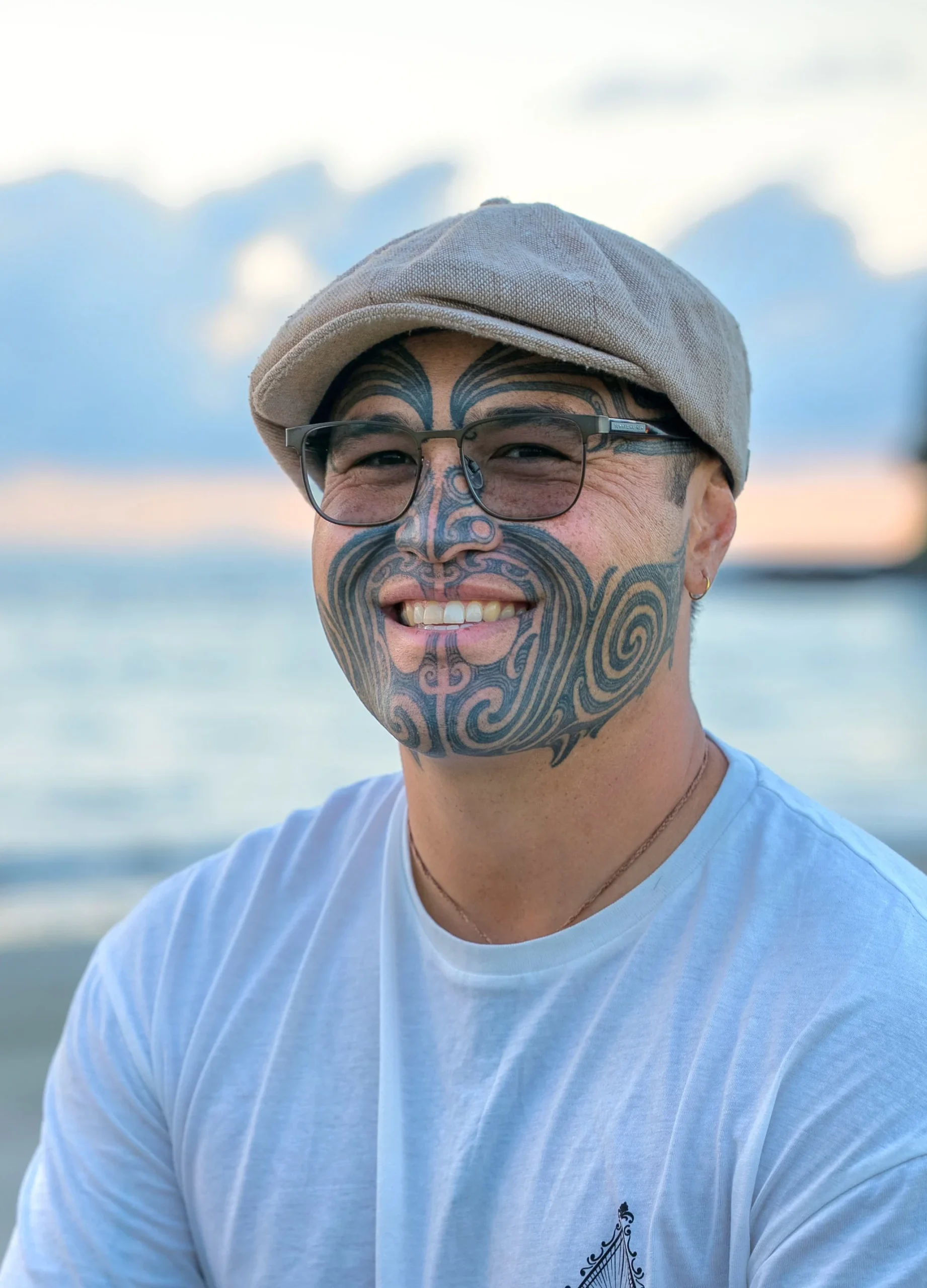


Tairāwhiti climate resilience advocate Manu Caddie says Aotearoa is at a crossroads – continuing to pour billions into repairing storm-damaged infrastructure, or finally shifting toward long-term mitigation and adaptation strategies that reflect the realities of a warming world.
For Caddie, the numbers tell a stark story. With the vast majority of central government climate spending still directed toward disaster response rather than prevention, he argues the country remains trapped in a cycle of rebuild and repeat.
Caddie believes a genuinely proactive resilience strategy would look radically different for regions like Tairāwhiti.
Instead of defaulting to rebuilding damaged roads and bridges in the same vulnerable locations, he advocates for investment in natural infrastructure – restoring wetlands, stabilising hillsides with native planting, strengthening catchment management and rethinking where and how communities are connected.
He says resilience planning must treat climate change not as a future threat but as a present condition. That means prioritising upstream mitigation to reduce landslip risks, sedimentation and flood intensity before the next storm hits.
For Tairāwhiti, a region repeatedly battered by extreme weather events, he argues that resilience must be built into every infrastructure decision, from roading corridors to land-use planning.
Caddie says worsening weather patterns require communities to rethink assumptions about year-round connectivity.
He suggests that in some parts of the country, travel may become more seasonal and less predictable, particularly along exposed coastal and hill-country routes. Rather than treating every closure as a temporary disruption, he argues for designing infrastructure systems that anticipate variability.
That could include diversified transport options, decentralised service delivery, improved digital connectivity to reduce travel needs, and strategic relocation of critical services away from high-risk zones.
He maintains that resilience planning must accept that not all existing routes can be made permanently secure without prohibitive cost.
Caddie has expressed concern over the Government’s decision not to fund the Gisborne District Council’s transition plan – a strategy designed to help the region adapt to long-term climate pressures.
He points to evidence suggesting that every dollar invested in risk reduction saves multiple dollars in disaster recovery. In his view, declining such funding represents a missed opportunity to shift from reactive spending to forward-looking investment.
Without proactive funding, he argues, local councils are left to shoulder mounting costs while communities remain exposed to escalating climate risks.
For Caddie, mitigation – reducing emissions and addressing root causes of climate change – must remain central to any national resilience strategy.
He argues that adaptation alone cannot shield communities if global warming continues unchecked. Aotearoa’s responsibility, he says, extends beyond domestic resilience to meaningful emissions reduction that contributes to limiting temperature rise globally.
Balancing immediate adaptation needs with long-term mitigation requires integrated policy, he suggests. Investments in renewable energy, regenerative land use and low-carbon transport systems can simultaneously strengthen resilience and reduce emissions.
Caddie sees Tairāwhiti as both vulnerable and visionary – a region capable of leading by example in climate adaptation.
He believes the conversation must shift from whether climate change will alter daily life to how communities design systems that thrive within new environmental realities.
As extreme weather events become more frequent, the choice facing Aotearoa is clear: continue rebuilding what has repeatedly failed, or invest in infrastructure and ecosystems that anticipate the climate of the future.
Radio Waatea will continue to follow how regions like Tairāwhiti navigate the difficult but necessary transition toward long-term climate resilience.


