




Aotearoa’s sporting culture is facing a moment of reckoning, as leadership upheavals at the top and growing strain at the grassroots force a hard look at the health of the system as a whole.
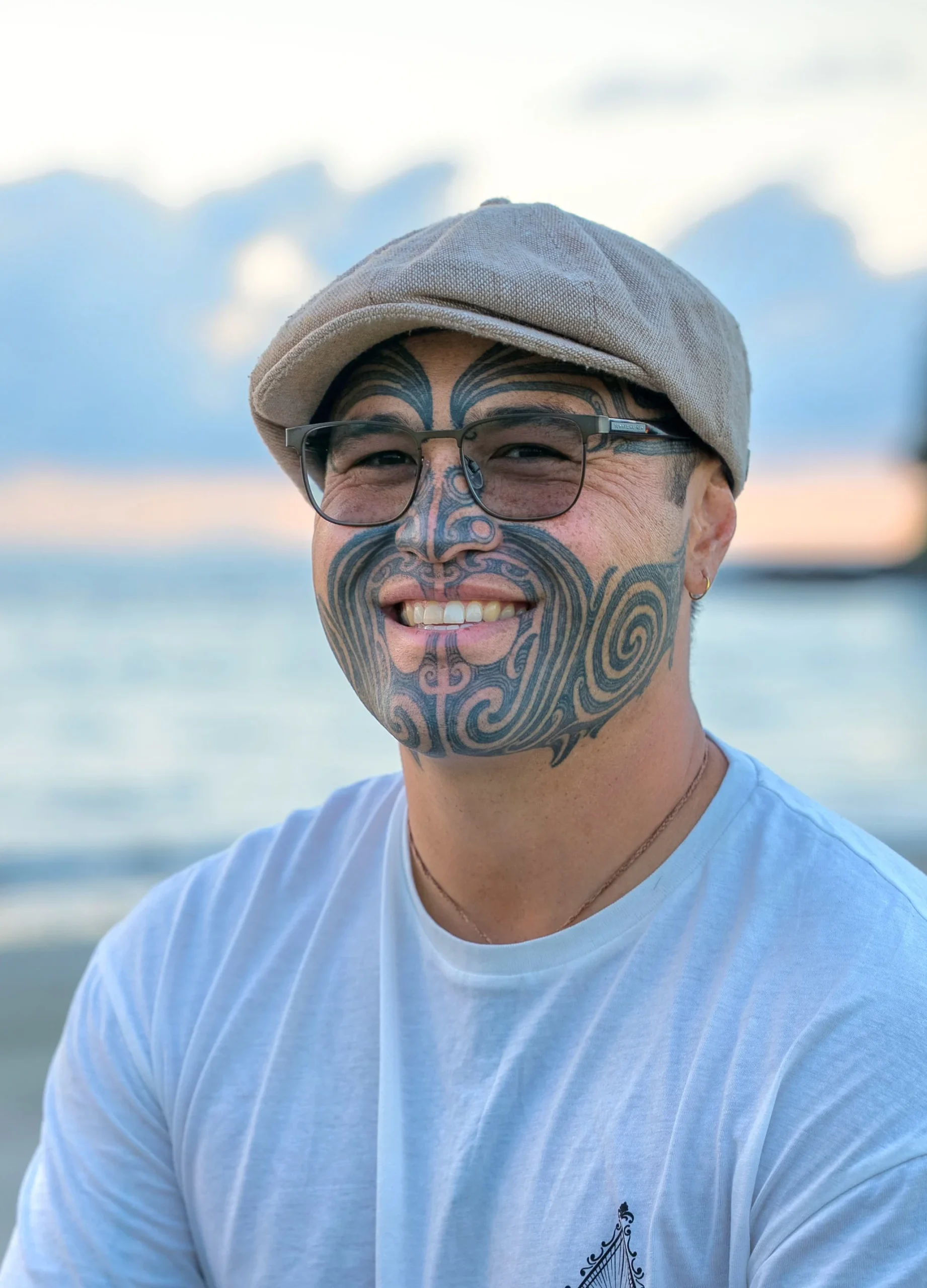
Joining this critical conversation is Ken Laban, one of the country’s most trusted and straight-shooting voices in sport, who says the challenges facing Aotearoa sport go far deeper than individual resignations or high-profile departures.
“What we’re seeing now is not isolated,” Laban says. “It’s a signal that the foundations of our sporting structures need serious attention.”
Recent exits by senior figures such as Scott Robertson and Jenny Wylie have sparked widespread discussion about governance, accountability, and culture within New Zealand’s major sporting organisations.
Laban believes these departures point to systemic issues rather than personal decisions alone.
“When respected leaders walk away, it usually means they’ve hit walls they can’t move,” he says. “That tells us something about how decisions are being made, and who really has influence.”
He says national bodies must be willing to examine whether their governance models are fit for purpose – particularly when trust between leadership and communities appears to be eroding.
At the heart of the issue, Laban says, is a widening gap between national organisations and the volunteers who keep local sport alive.
From weekend netball courts to school rugby fields, community sport relies heavily on unpaid coaches, referees, and administrators – many of whom are stretched to breaking point.
“You can’t run sport from boardrooms alone,” Laban says. “If volunteers feel ignored or burned out, the whole system weakens.”
He argues that rebuilding trust will require more than consultation – it will require genuine power-sharing, transparency, and support that reaches the grassroots.
Making Volunteering Sustainable
With chronic shortages of coaches, referees, and team managers across codes, Laban says clubs and schools must rethink how volunteering is structured.
He points to practical steps such as:
-
Reducing administrative burdens
-
Sharing roles across teams rather than relying on individuals
-
Providing training, mentoring, and recognition
-
Offering flexible, time-limited volunteer commitments
“People are willing to help,” he says. “What they can’t handle is being relied on endlessly with no support.”
Without change, Laban warns, the pipeline of future leaders will continue to shrink.
A National Strategy for Sport?
Looking ahead, Laban believes Aotearoa needs a nationwide strategy to revitalise participation, leadership, and pathways in sport – one that reflects both modern realities and Māori values.
He says such a strategy should place wellbeing, inclusivity, and community connection at its core, rather than focusing solely on elite performance.
“Sport has always been one of the strongest expressions of who we are,” Laban says. “If we want to rebuild its wairua, we have to start with people – not just results.”
As communities, clubs, and governing bodies reflect on the future of sport in Aotearoa, Laban says the current challenges also present an opportunity.
“This is a moment to reset,” he says. “To remember why sport matters, and to rebuild it in a way that serves everyone – from the grassroots to the highest level.”
Radio Waatea News will continue to follow discussions around sport governance, participation, and community wellbeing as the conversation evolves.


