


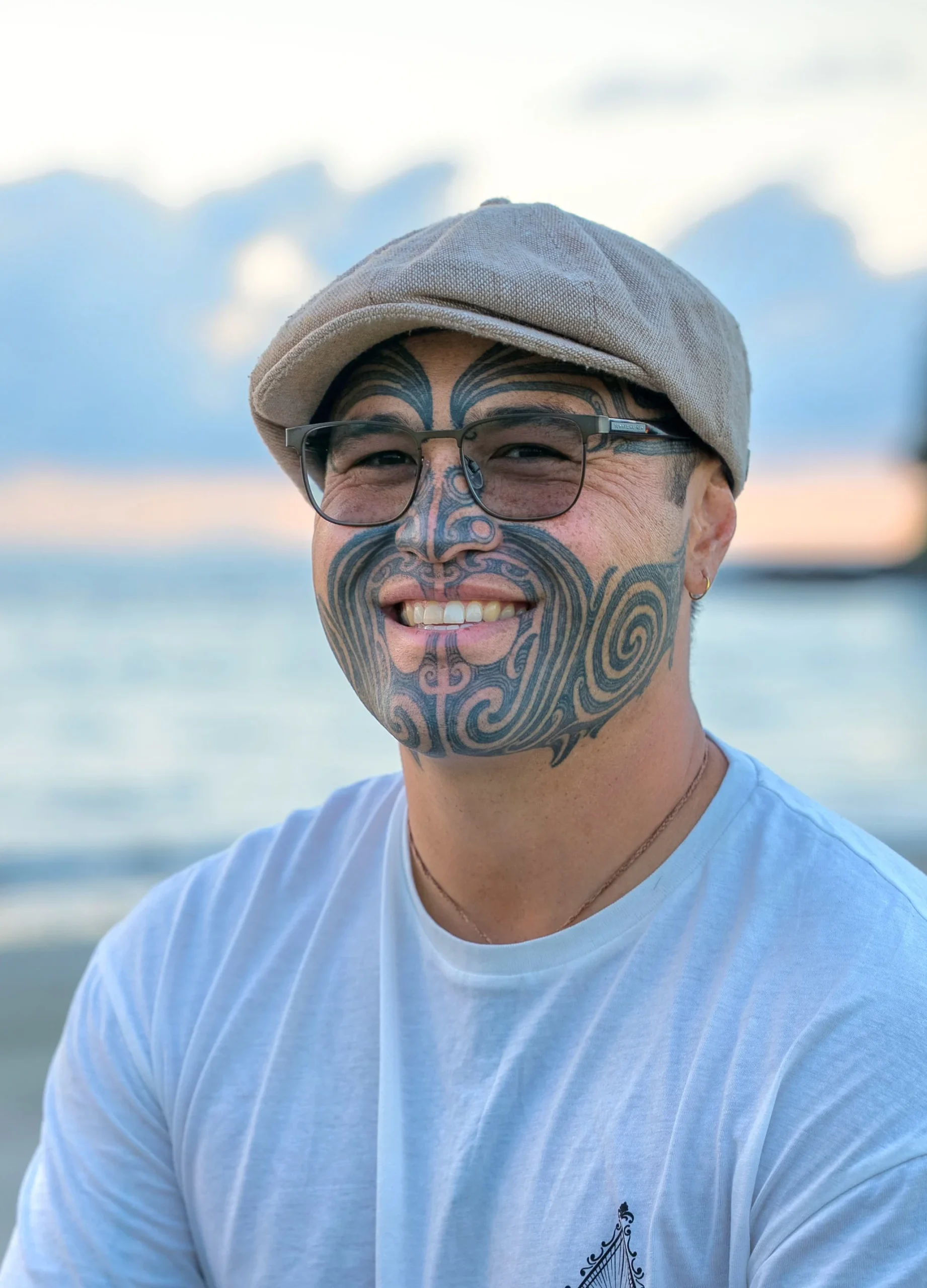


Protecting Our Whānau: Summer Water Safety with Robb Hewitt.
As summer temperatures rise and whānau head to beaches, rivers, lakes and pools to cool off, water safety remains a critical issue across Aotearoa. For many Māori communities, waterways are central to culture, recreation and wellbeing – but they also carry real risks if safety is overlooked.
Every summer, drownings and serious water-related injuries disproportionately affect Māori. Safety advocates say this is not about a lack of care, but about access to resources, safe swimming environments, and culturally appropriate water safety education.
Know the Risks, Respect the Water
Open water environments such as beaches and rivers can change quickly. Strong currents, rips, sudden drop-offs and cold water shock all pose dangers, even for confident swimmers. Whānau are encouraged to assess conditions carefully and avoid swimming alone or in unfamiliar areas.
At the beach, choosing locations patrolled by lifeguards and swimming between the flags can significantly reduce risk. At rivers and lakes, understanding local hazards – including submerged objects and fast currents – is essential.
Whānau-Centred Safety
Keeping tamariki safe requires constant supervision. Drownings often happen silently and quickly, making active watching crucial. Designating a responsible adult to watch children near water can prevent tragedy.
Life jackets are also strongly recommended for boating, fishing and water sports. Advocates stress that wearing a life jacket is not a sign of weakness – it is an act of care and responsibility.
Alcohol and Water Don’t Mix
Alcohol remains a major factor in summer drownings. Combining alcohol with swimming, boating or fishing increases the risk of accidents and impairs judgement. Planning alcohol-free water activities, or ensuring a sober supervisor is present, can save lives.
Cultural Connection and Learning
Many Māori-led initiatives are promoting water safety through kaupapa Māori approaches that emphasise respect for wai, intergenerational learning and connection to whakapapa. Learning to swim, float and survive in water is increasingly being framed as a life skill that should be accessible to all tamariki.
Looking After Each Other
Summer is about enjoyment, connection and time together. Protecting whānau around water means planning ahead, talking openly about risks, and looking out for one another.
As the season continues, the message from water safety advocates is clear: enjoy the water, but never underestimate it. With care, awareness and collective responsibility, whānau can create safe and happy summer memories.


