


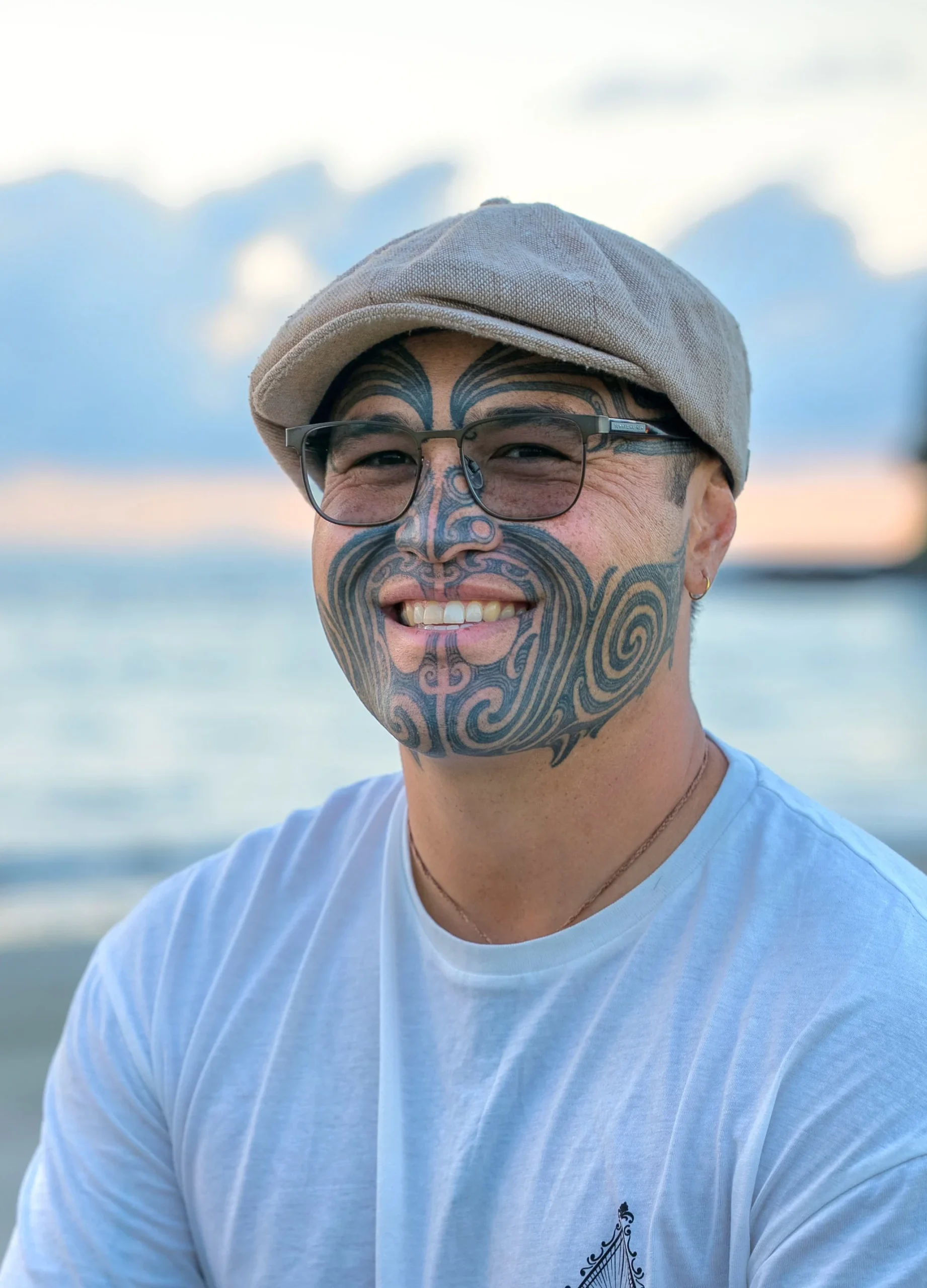


Lady Hekia Parata has condemned Veterans Affairs for its deeply disrespectful and bureaucratic treatment of her late husband, Sir Wira Gardiner, a distinguished Māori leader and military veteran, during his final months and after his passing.
In recent years, a number of key themes have emerged around how Māori veterans-those from the Indigenous peoples of Aotearoa/New Zealand-have been treated by the Crown, the defence/military system, and veteran services. While there are positive developments, there remain significant challenges.
Māori participation in the defence forces: – Māori have historically been and continue to be disproportionately represented in the New Zealand Defence Force (NZDF). For example, the veteran-support agency notes that while Māori have made up around 20% of the Defence Force historically, their representation in the veteran support system is much lower.
– Nonetheless, large numbers of Māori served in wars and operations overseas (WWI, WWII, Korea, Vietnam, etc.) as well as in domestic or routine military service.
Inquiry into Māori veterans’ service and Crown treatment: The Wai 2500 Military Veterans Kaupapa Inquiry, conducted by the Waitangi Tribunal, is examining how the Crown treated Māori who served the nation. It covers a wide span: from WWI to modern peace-keeping and nuclear testing operations. Among issues raised: whether Māori veterans were disadvantaged in entitlements, whether service-related health issues (including mental health) were inadequately addressed, and whether systemic biases (including racism) played a role.
Support systems and service-access issues: The Veterans’ Affairs New Zealand agency is the main government body responsible for veteran entitlements, rehabilitation, etc. They have acknowledged that Māori veterans are under-represented in their client base and face higher barriers. New service initiatives include collaborations with Māori-led health providers to improve access for Māori veterans in regions such as the Bay of Plenty. Research shows that Māori are more likely to have poorer health outcomes within the general population (for example, more likely to experience treatment injuries). While not veteran-specific data, it signals systemic health inequities that likely affect Māori veterans too.
Definition of “veteran” & entitlements concerns: A recurring concern is that the legal definition of “veteran” (under the Veterans’ Support Act 2014) restricts entitlements based on “qualifying operational service”. Many Māori who served in routine or non-combat operations feel excluded. Some veterans have voiced frustration that, although they served under the Crown, they now face exclusion from the full suite of support because their service is not deemed “qualifying”.
Sir Wira Gardiner (1943–2022) was a highly respected New Zealand soldier, public servant, and writer of Māori descent (Ngāti Awa, Ngāti Pikiao, Whakatōhea, and Te Whānau-ā-Apanui). Sir Wira Gardiner (Sir Harawira Tiri Gardiner, KNZM, 1943–2022) was one of Aotearoa New Zealand’s most respected Māori leaders, soldiers, and public servants. His service – both military and civilian – reflects deep commitment to his people and his country. Below is an overview of his life and contributions, with a focus on his service career and work with Māori veterans.
Gardiner served for 20 years in the New Zealand Army, including a tour of duty in Vietnam, and retired with the rank of Lieutenant Colonel. He frequently spoke about the contributions of Māori soldiers in conflicts from the Māori Battalion of WWII to Vietnam and modern peacekeeping missions. He was part of efforts to support the Wai 2500 Military Veterans Kaupapa Inquiry, advocating for fair treatment and recognition of Māori veterans by the Crown. His leadership style combined the discipline of the military with a kaupapa Māori approach – emphasising mana, integrity, and service.


