


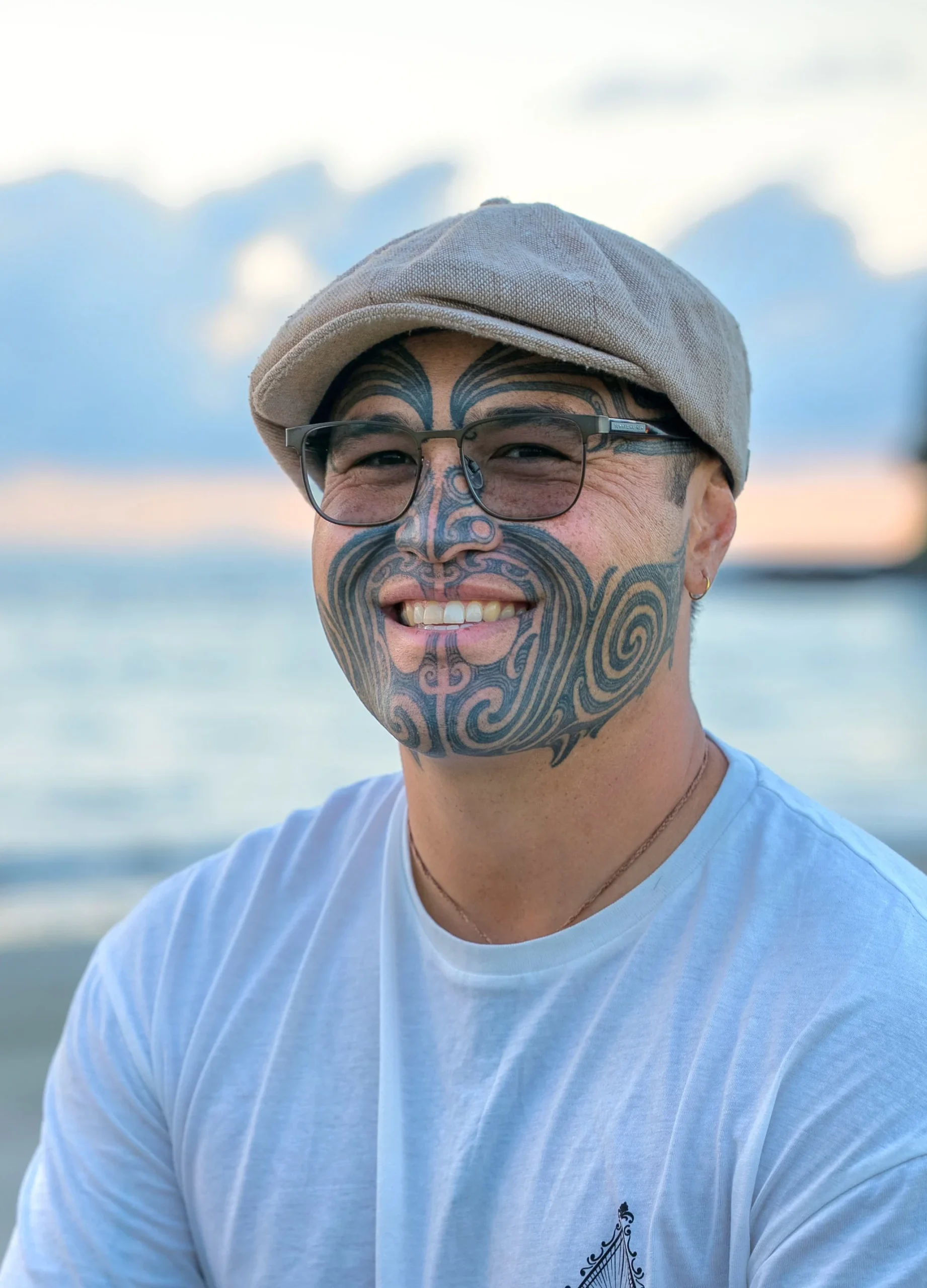


As part of Gambling Harm Awareness Week, we are talking now with Cath Healey, the general manager of Te Rangihaeata Oranga Trust – a kaupapa Māori gambling harm service based in Heretaunga.
Gambling is often described as a “hidden harm” in Aotearoa New Zealand – and for Māori communities, the impacts are especially severe. While many New Zealanders see gambling as entertainment, for some whānau it has become a pathway to debt, addiction, and intergenerational hardship.
The Scale of the Problem
Statistics show that Māori are disproportionately affected by gambling harm. According to the Ministry of Health, Māori are three to four times more likely to experience problem gambling than non-Māori. This includes not only pokies and casinos but also online betting, sports gambling, and Lotto.
The reasons are complex: higher levels of socio-economic hardship, targeted placement of pokie machines in lower-income communities, and a lack of culturally safe support services all contribute to the imbalance.
Pokies and Their Presence in Māori Communities
Electronic gaming machines – or “pokies” – remain the biggest driver of gambling harm in Aotearoa. More than 40% of all pokie machines are located in the most deprived communities, where Māori and Pasifika populations are highest.
For many whānau, this means that gambling opportunities are right on the doorstep, often in local pubs and clubs that also serve as social gathering places.
While some community groups benefit from pokie-funded grants, the trade-off is that local people – often those struggling the most – are the ones losing money to fund them.
Whānau Harm
The impacts of gambling ripple far beyond the individual. Problem gambling can lead to:
-
Financial stress: unpaid bills, mounting debt, and loss of housing.
-
Whānau breakdown: conflict, mistrust, and relationship strain.
-
Health issues: stress, depression, and in some cases substance abuse.
-
Impact on tamariki: children can experience neglect, reduced opportunities, and emotional trauma.
In te ao Māori, wellbeing is holistic. When one person is affected by gambling, the entire whānau, hapū, and iwi can feel the consequences.
Why Māori Are More Vulnerable
Māori leaders and researchers point to systemic factors:
-
Colonisation and loss of economic base: historical dispossession has left many Māori communities vulnerable to cycles of poverty.
-
Targeted gambling environments: pokies and TAB outlets are heavily concentrated in Māori neighbourhoods.
-
Cultural stigma: some Māori may find it difficult to seek help due to shame, tapu, or distrust of mainstream services.
Responses and Solutions
Efforts are underway to tackle the issue through Māori-led solutions:
-
Marae-based programmes that open safe spaces for kōrero around gambling harm.
-
Hauora providers offering counselling, financial literacy, and culturally grounded addiction support.
-
Community campaigns that raise awareness in te reo Māori and connect messages to tikanga.
-
Policy changes: some advocates are calling for a reduction in the number of pokie machines and more accountability for gambling proceeds.


