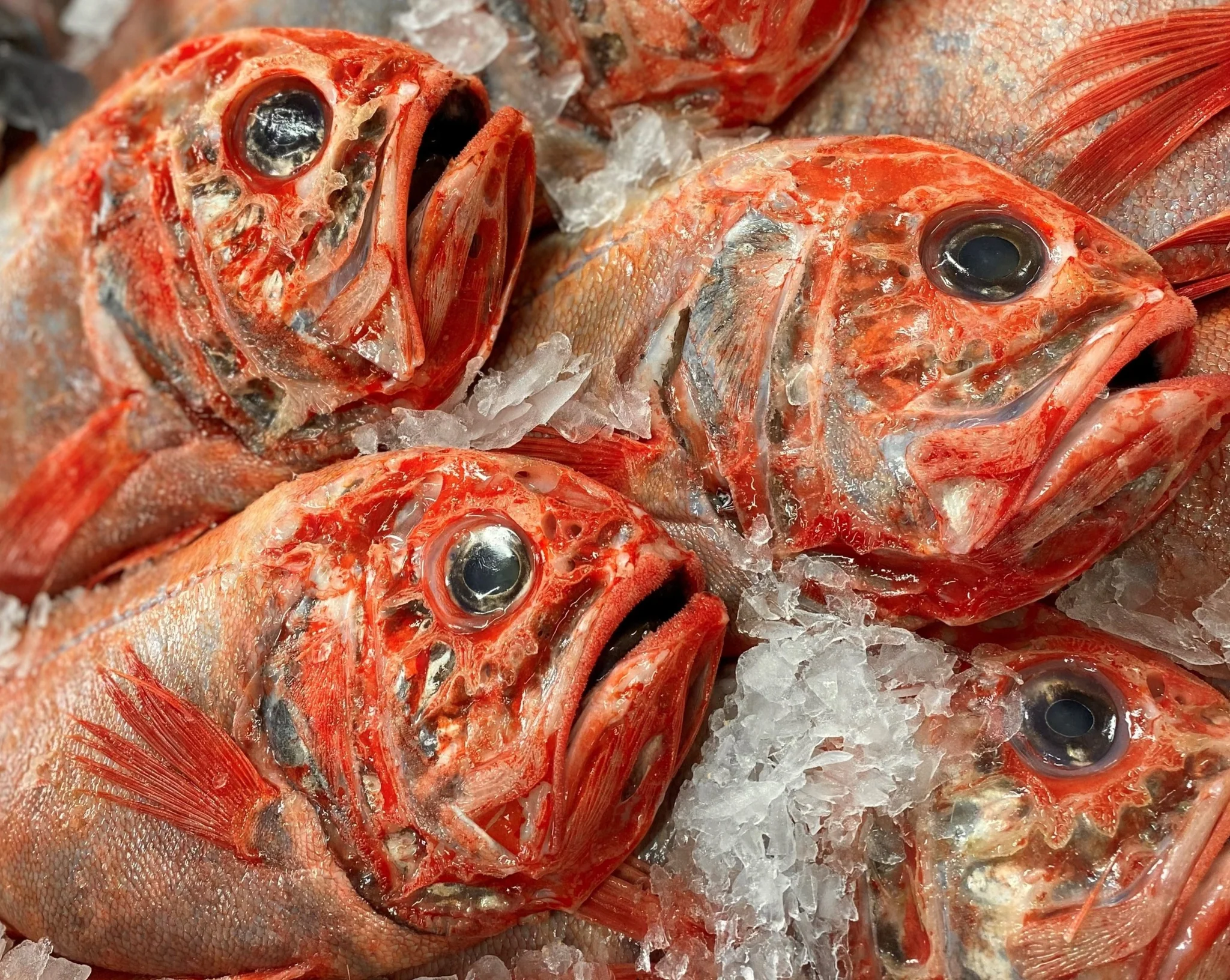

One of the world’s largest orange roughy fisheries is facing increased restrictions after alarming new data revealed a dramatic decline in fish numbers, prompting the Government to introduce temporary seamount closures and seasonal protections.
Oceans and Fisheries Minister Shane Jones has announced six-week closures of key seamount areas and seasonal restrictions aimed at protecting spawning orange roughy populations on the East and South Chatham Rise. The measures are designed to support stock recovery after scientific assessments showed the fishery is under severe pressure.
The East and South Chatham Rise stock has been identified as the most depleted part of New Zealand’s orange roughy fishery, with previous assessments indicating the population may have fallen to between 8 and 18 percent of its original size. Some scientific models suggest the stock may already be close to collapse.
Environmental groups have welcomed the new protections but argue the measures do not go far enough. Critics say the latest restrictions are long overdue and accuse successive governments of failing to act quickly enough as evidence of declining fish stocks mounted over recent years.
The closures focus on protecting spawning grounds and seamount habitats, where orange roughy gather in large numbers during breeding season. Research commissioned by Fisheries New Zealand has indicated that fishing activity around spawning aggregations can disrupt reproduction and slow the recovery of already depleted stocks.
Orange roughy are among the longest-living fish species in the world, capable of living for more than 200 years. Their slow growth and late maturity make them particularly vulnerable to overfishing and difficult to rebuild once populations decline.
The fishery is economically significant, with New Zealand accounting for the majority of the global orange roughy catch. However, conservation advocates argue that decades of intensive deep-sea trawling have placed both fish populations and fragile seamount ecosystems under increasing pressure.
Last year, catch limits for the Chatham Rise and southern New Zealand orange roughy fishery were more than halved as part of a broader effort to rebuild stocks. The latest seasonal closures are intended to complement those reductions and give spawning fish greater protection.
For Māori with interests in fisheries, the future management of orange roughy stocks remains an important issue, balancing economic opportunities with kaitiakitanga responsibilities and the long-term sustainability of marine resources.
The Government says the closures are part of a wider programme of fisheries management aimed at ensuring orange roughy populations can recover while maintaining a viable fishing industry into the future.
#Kaitiakitanga #MarineProtection #ChathamRise #FishingIndustry #ClimateAndOceans #MāoriEconomy #OceanHealth #SeabedProtection #NZEnvironment #MāoriNews