Aroturuki Tamariki Chief Executive Arran Jones says the report is a story of consequence – of needs not addressed by a system that is not always able to work together to get the right support in place at the right time. “The needs of tamariki and rangatahi then multiply as they escalate through the system,” Mr Jones said.
Data shows 92 percent of rangatahi referred to a youth justice family group conference in 2023/24 had concerns raised about their safety and wellbeing when they were younger.
“Tamariki and rangatahi come to the attention of Oranga Tamariki because someone has raised concerns about alleged abuse, or their wellbeing. This is the moment to get the right services and supports in place so tamariki and rangatahi don’t escalate through the system,” says Mr Jones
Escalation through the system can eventually mean involvement with the Police – and Police data shows a difference in the severity of proceedings against tamariki and rangatahi Māori in 2023/24:
- tamariki Māori aged 10–13 are less likely to be referred to alternative action or given a warning and more likely to be prosecuted or referred to a youth justice FGC than others
- rangatahi Māori aged 14–17 are less likely to get a warning or be referred to alternative action and more likely to be prosecuted than others.
The outcomes for tamariki and rangatahi Māori currently involved with the oranga tamariki system are less positive than those for Māori with no involvement. In 2022, tamariki and rangatahi Māori:
- in care or custody, achieved education qualifications at almost half the rate of Māori with no involvement
- in the oranga tamariki system, were significantly more likely to be hospitalised for self-harm than those with no involvement
- in care, used mental health and addiction services at nearly five times the rate of Māori with no involvement. Rangatahi Māori in youth justice custody used these at 15 times the rate – 60 percent of rangatahi Māori in youth justice custody used mental health and addiction services. Considering 92 percent of these rangatahi had reports of concern made about their safety and wellbeing when they were younger, this is no surprise.
“The outcomes for young Māori adults, aged 27–30, who were involved in the oranga tamariki system as children are sobering. The data paints a stark picture of the consequence of the oranga tamariki system not doing more to help. Māori adults who had been in the system as children are less likely to be employed, less likely to have a driver licence, more likely to be on a benefit, more likely to be in emergency housing, and more likely to be hospitalised for self-harm than Māori who had no involvement. Mortality rates are double or triple those of Māori with no involvement in the oranga tamariki system for vehicle accidents and for self-harm (including suicide),” says Mr Jones.
The report also identifies the importance of breaking the cycle. For Māori parents (aged 27–30 years) who had previously been in care themselves, 68 percent have children involved with Oranga Tamariki in some way and one in eight have had one or more children in care at some point.
“This report highlights initiatives and ways of working that provide a pathway ahead for all government agencies. Working with tamariki and rangatahi alongside their whānau, building trusted long-term relationships, looking outside of organisational silos to understand their wider needs and providing services across government and community agencies. To paraphrase one of the providers we heard from, this is where the magic happens,” says Mr Jones.
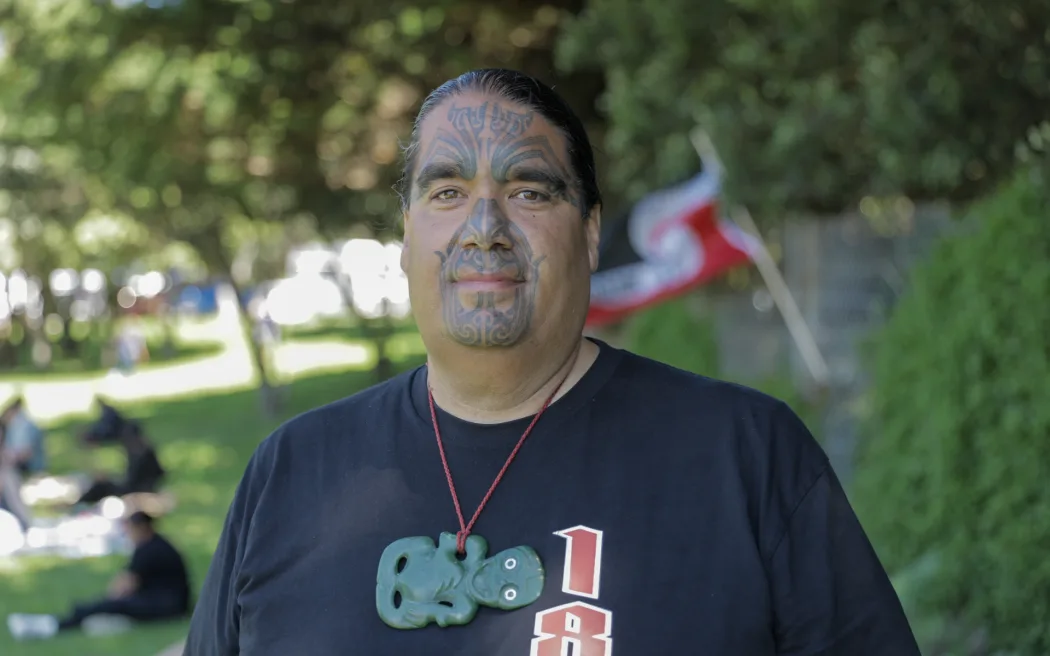
Meanwhile State Care survivor and advocate, Ihorangi Reweti Peters, who grew up in the Oranga Tamariki system, says this report shines a light on the performance of the Oranga Tamariki system and that Māori tamariki and rangatahi are still being failed by the very system
that is supposed to be caring for them.
“The Independent Children’s Monitor found that Oranga Tamariki and NZ Police have strategies in place to address inequality and over-representation but there are barriers to making progress. It is crucial that both Oranga Tamariki and the New Zealand Police invest in adequate partnerships with Iwi, Māori and community initiatives that support tamariki and rangatahi Māori that are in care of Oranga Tamariki and with care experience,” Mr Reweti Peters says.
“These partnerships need to be increased so that our whānau, tamariki and rangatahi Māori have a safe and reliable organisation to raise concerns with. Oranga Tamariki is known to have multiple partnerships, sometimes these partnerships are not the best. “The report also found that Oranga Tamariki is not always taking action to respond to reports of concern at the earliest opportunity. They found that almost half of the reports of concerns, resulted in a decision to take no further action. The reporting period 2023/24 showed that 52% of the reports of concerns received by Oranga Tamariki were for tamariki and rangatahi who identified as Māori.