Listen Now:


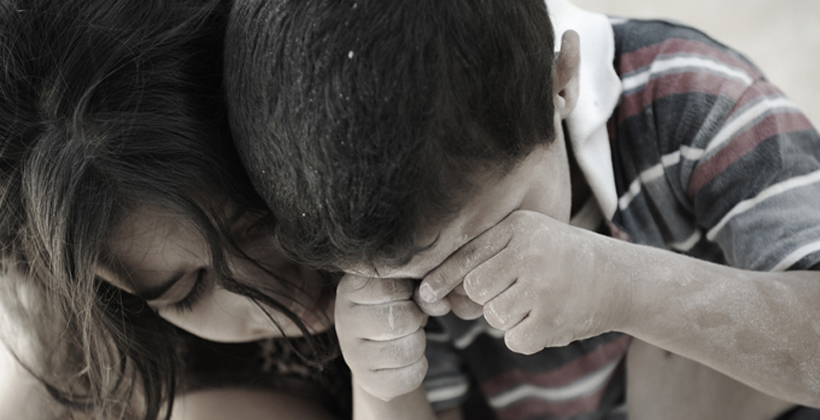
Child Poverty Action Group is blaming Government neglect for an increase in poverty, inequity, homelessness and food insecurity for tamariki Māori and other children in the first year of Covid-19.
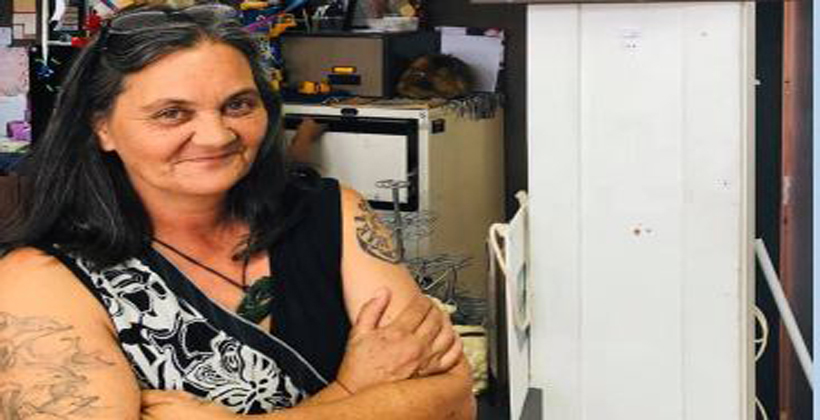
Researcher Janet McAllister says it was thanks to the collective efforts of iwi, hapū, community organisations, schools, whānau and families – and low-income children themselves – that the crisis of poverty was not even worse.
A new report by the group says an additional 18,000 children were probably pushed into poverty in the 12 months to March 2021, even without taking rising housing costs into account.
That’s an increase in child poverty of around 10 percent.
New CPAG modelling also suggests tamariki Māori and Pacific children were around 2.5 to 3 times more likely than Pākehā children to have been pushed into poverty in the 12 months after the initial lockdown, and changes in youth homelessness and chronic absences for low-income students were also worse for Māori and Pacific people than for Pākehā.
Māori and Pacific applicants were much less likely than Pākehā to be awarded the relatively generous Covid-19 Income Relief Payment, partially due to its design.
Ms McAllister says the state uses low-income whānau Māori as ‘shock absorbers’ of the economy, so whānau Māori and Pacific families bear many of the heaviest burdens in hard times.
 &
& 
Copyright © 2021, UMA Broadcasting Ltd: www.waateanews.com
RELATED NEWS